
Personnel responsible for booking and quotation review often receive a string of abbreviations followed by figures on freight forwarders’ quotation sheets: BAF, THC, ORC, PSS, LSS, and more. Ocean freight is never a flat unit price. Instead, it consists of base freight combined with a series of surcharges.To judge the reasonableness of quotations, avoid duplicate charges and confirm which party shall bear each fee item, you must first clarify the logic behind each charge.This article analyses charges by dividing them into base freight and surcharges for reference when purchasers verify quotations.Scope: This document covers international container shipping and breakbulk ocean freight. Rates vary by shipping route, carrier and booking time. It shall not constitute pricing grounds. All charges shall be subject to carriers’ official announcements and contractual agreements.
Base freight, abbreviated as OF (Ocean Freight), refers to the primary charge levied by carriers for transporting goods from the loading port to the discharge port. It is the first figure shown on quotation sheets.Three primary billing methods apply: charged per container; charged on W/M basis (whichever is greater between weight ton and measurement ton); or negotiated per voyage / full charter.Standard container cargo is priced per 20ft or 40ft container. Breakbulk and general bulk cargo usually adopt the W/M rule. Over-dimensional heavy-lift cargo and complete sets of equipment are mostly priced via voyage negotiation or space charter. Rates fluctuate greatly subject to shipping capacity and cargo securing complexity.
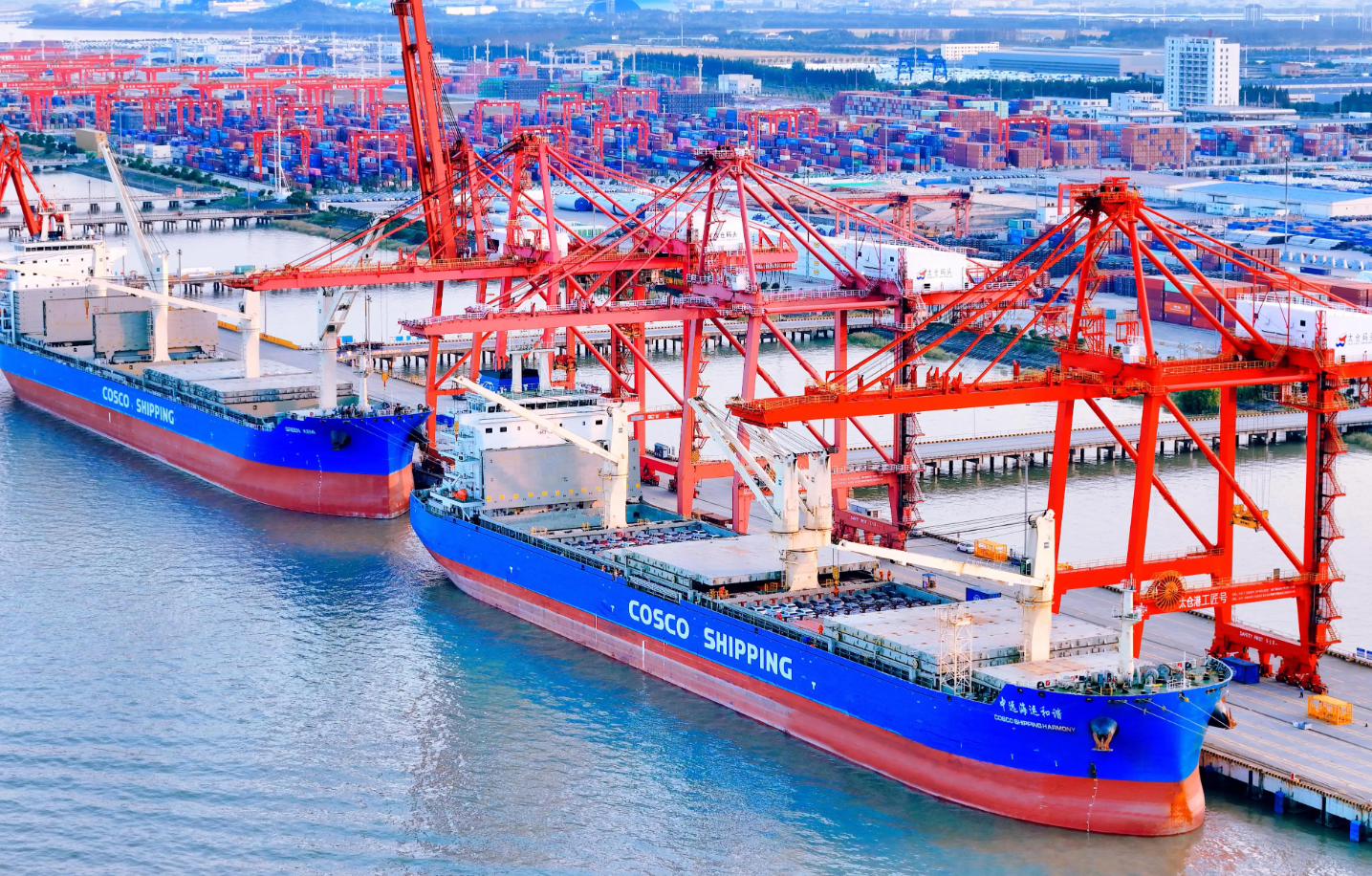
Two rate types need to be distinguished: spot rates and contract rates.Spot rates fluctuate weekly alongside market conditions. Rates may surge temporarily due to Red Sea diversions or peak-season space shortages.Contract rates are quarterly or annual agreed prices signed between shippers and carriers or top freight forwarders. They remain relatively stable, usually subject to minimum volume commitments.For heavy-lift cargo featuring high value and limited available space, negotiating contract rates differs from general cargo. We recommend negotiating fixed rates only after confirming annual shipment plans.
Bunker cost accounts for a large proportion of liner operating expenses. Fluctuations in fuel prices are directly passed on via surcharges. Two common charges are listed below:BAF (Bunker Adjustment Factor)Adjusted against benchmark bunker prices, it is the most direct reflection of freight fluctuations.LSS (Low Sulphur Surcharge)Introduced following the IMO global sulphur cap implemented in 2020, which lowered the maximum sulphur content of marine fuel oil from 3.5% to 0.5%. Carriers incur extra costs by switching to low-sulphur fuel or installing scrubbers.
These two surcharges apply to nearly all shipping routes and are adjusted periodically with oil prices. Two points deserve attention during quotation verification: transparency of BAF calculation base and adjustment frequency; and whether overlapping charging exists between LSS and BAF.
CAF (Currency Adjustment Factor)Levied to hedge exchange rate risks when the settlement currency depreciates against carriers’ home currency. Fluctuations have moderated on USD-settled routes in recent years. While the amount is relatively low, this charge still exists in practice.
PSS (Peak Season Surcharge)Collected during traditional shipping peak seasons to ease space congestion. Peak periods for Europe and US routes generally fall between July and October. Significant price gaps exist before and after PSS implementation. Securing space in advance is an effective cost-control measure.
GRI (General Rate Increase)A unified base freight hike announced by carrier alliances several times each year, usually executed at the end of off-seasons when capacity tightens. Once GRI takes effect, both contract rates and spot rates will rise, serving as an indicator of an upward freight cycle.Carrier alliances blanking sailings to cut capacity also push up spot rates indirectly. Tracking route capacity deployment helps predict market trends better than simply checking quotations.
THC (Terminal Handling Charge)Charged separately at loading and discharge ports for container loading, handling and stacking, calculated per container.ORC (Origin Receiving Charge)Exclusive to South China ports, functioning as an alternative form of origin THC.
Other minor yet numerous charges include DOC (Documentation Fee), seal fee and VGM (Verified Gross Mass) declaration fee. Naming conventions differ among carriers. We recommend cross-checking each item against carriers’ official charge lists.
Canal transit surcharges apply for shipments passing through the Suez Canal, Panama Canal and other waterways. Diversion surcharges and war risk surcharges have significantly impacted Europe-bound freight costs amid Red Sea tensions in recent years.
Additional surcharges apply to heavy-lift cargo: fees for open-top containers, flat racks; extra charges for over-length, over-width, over-height and overweight cargo; plus material costs for cargo lashing and securing.Service boundary reminder: Caijie International Logistics can provide on-site loading supervision. However, cargo securing drawing design must be completed by qualified third parties and is not within our service scope. We shall neither promise nor include such services in content creation or quotations.
Three steps to take after receiving quotations:
Categorise all charges into four groups: base freight, fuel-related charges, operational & documentation charges, route & special surcharges.
Confirm liability for each fee item (Loading port charges borne by sellers under FOB terms; discharge port charges borne by buyers under CIF terms).
Watch closely for duplicate charges and ambiguous clauses, especially overlaps between BAF & LSS, THC & ORC.
This article is compiled based on common industry practices. Charged items and rates change dynamically with market conditions, shipping routes and carrier policies. It does not constitute formal quotation advice or legal opinions. All actual business shall be subject to carriers’ published tariff and signed contracts.
Contact: Manager Li
Phone: 021-31056166
Email: sea-giant@sea-giant.com
Add: Room 1708, Pu Chuang Business Building, 1050 East Daming Road, Hongkou District, Shanghai, China
We chat