
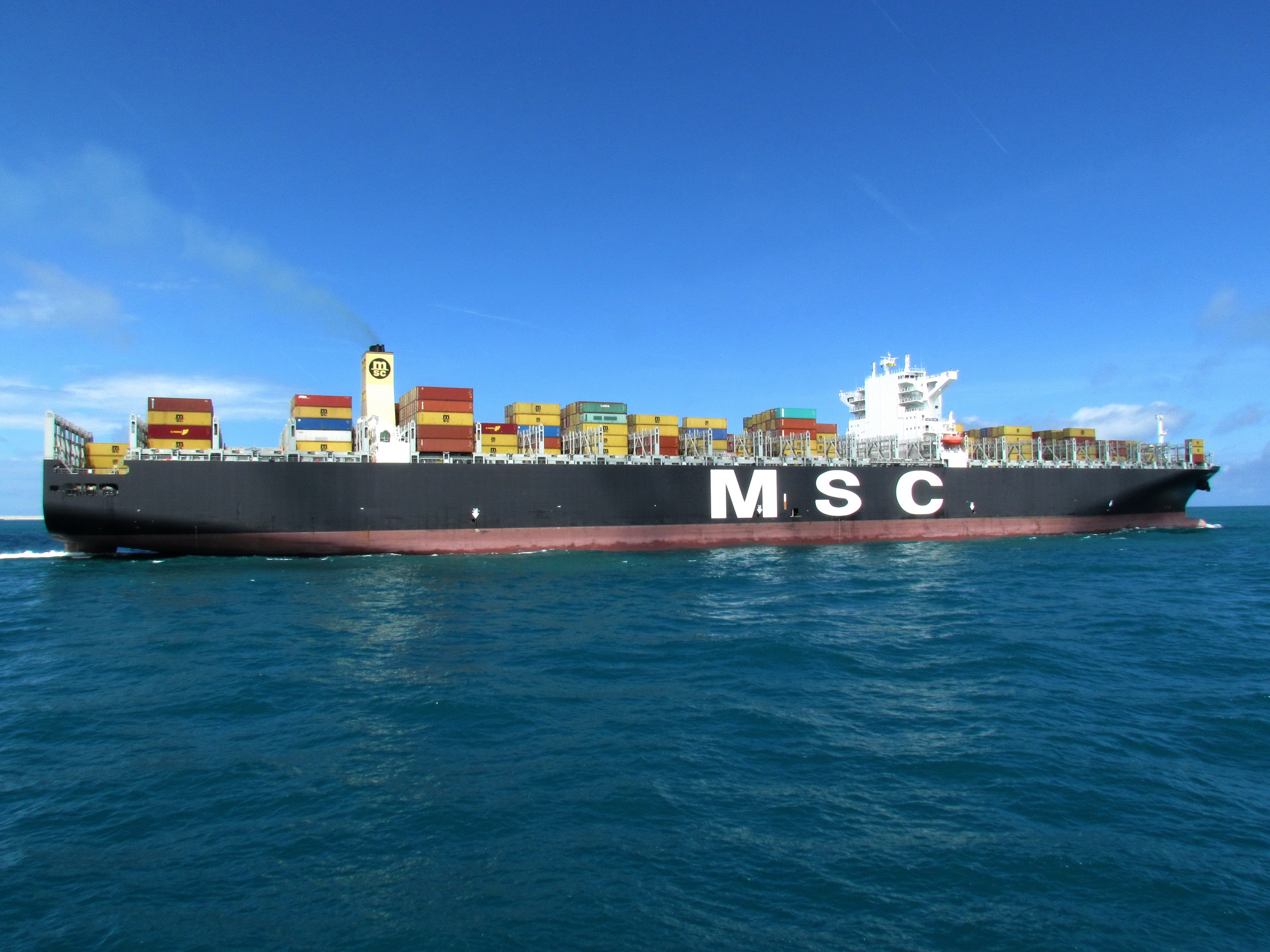
Expectations of consolidation in the global container shipping market continue to intensify, with a high-profile M&A rumor capturing the industry's attention. According to market sources, Mediterranean Shipping Company (MSC) — the world's largest carrier by capacity — had previously held discussions regarding the potential acquisition of a stake in Hapag-Lloyd. However, the proposal failed to gain approval from Hapag-Lloyd's core shareholders, and the talks were subsequently shelved.
Following the emergence of these reports, MSC swiftly issued an official statement categorically denying any acquisition plans. Although the rumor ultimately amounted to nothing more than preliminary contacts without any substantive transaction materializing, it has once again reignited discussions on consolidation trends within the liner shipping industry. It has also prompted renewed scrutiny of the long-term possibilities of major carrier mergers and the evolution of existing shipping alliance structures.
I. Market rumors: MSC approached Hapag-Lloyd shareholders
According to German publication Manager Magazin, citing Reuters, MSC founder and chairman Gianluigi Aponte had been in extended contact with major shareholders of Hapag-Lloyd regarding a potential equity transaction, in an effort to advance a stake acquisition. However, these efforts have not received a positive response to date.
From a shareholder structure perspective, Hapag-Lloyd's two core shareholders are:
Klaus-Michael Kühne (approximately 30%)
CSAV (approximately 30%)
These two shareholders maintain a long-term voting agreement through a pact that has been extended to 2030, making external capital entry highly challenging. Multiple media outlets — including ShippingWatch — reached out to Hapag-Lloyd and its relevant shareholders for comment but received no positive response or definitive confirmation.
II. MSC officially denies: no shareholding transaction being pursued
Subsequently, MSC issued a written statement unequivocally stating that the company is not currently engaged in any transaction to acquire or take a stake in Hapag-Lloyd, and declined to comment further on market speculation. Hapag-Lloyd similarly declined to comment on the reports. Against this backdrop, the market has largely treated the news as "exploratory contacts" rather than an acquisition in the negotiation phase.
III. Potential implications: sensitive points in alliance structures and industry landscape
Despite the denial, analysts continue to examine the structural implications. Hapag-Lloyd and Maersk have already formed the "Gemini Cooperation," enhancing efficiency through vessel scheduling and network coordination. The alliance has been progressively operational since 2025 and is regarded as one of the current mainstream shipping collaboration models. Market analysts suggest that if MSC were to acquire a stake in Hapag-Lloyd in the future, it could potentially destabilize the existing alliance framework and potentially impact the long-term structure of the Gemini Cooperation. However, industry observers also note that such a scenario would depend on the size of the stake and regulatory approval, and currently remains highly uncertain.
IV. Shareholding and regulatory hurdles: high barriers to entry
Hapag-Lloyd's shareholding structure is relatively concentrated and stable. With the shareholder agreement extended to 2030, the scope for external capital entry in the near term is limited. At the same time, MSC is already the world's largest liner company; any further expansion of control over the fifth-largest carrier would likely face intense antitrust scrutiny and regulatory review. In terms of scale:
| Metric | MSC | Hapag-Lloyd |
Global market share | Approximately 21.5% (industry leader) | ~286 vessels |
Fleet size | ~1,000 vessels | ~240万 TEU capacity |
Total capacity | ~7.3 million TEU | Global No. 5 |
Haider Anjum, senior analyst at Jyske Bank, stated that if MSC were to ultimately acquire a controlling stake in Hapag-Lloyd, it would create a "monster" shipping giant. He noted that such a transaction would further increase market concentration, solidify MSC's dominant position in the industry, and significantly strengthen its bargaining power in freight rate negotiations. Data shows that MSC reached a record high in May this year, with its global market share in container shipping hitting 21.5% — the highest in the industry — representing a doubling of its market share since 2010. Meanwhile, the world's second-largest carrier Maersk has not ordered new vessels since 2024, instead focusing on replacing its existing fleet with CO₂-neutral ships and accelerating the development of its integrated logistics business. According to industry analyst Alphaliner, MSC currently operates approximately 1,000 vessels with a total capacity of about 7.3 million TEU, ranking first globally. By comparison, Hapag-Lloyd is the world's fifth-largest container shipping company, operating 286 vessels with a total capacity of approximately 2.4 million TEU.
Final thoughts: rumors unconfirmed, but consolidation logic endures
Overall, the "MSC acquires Hapag-Lloyd" narrative remains largely at the rumor and preliminary contact stage, with MSC having explicitly denied any advancement of the transaction. However, from an industry trend perspective, the logic of rising concentration among global liner companies — with leading players strengthening their network capabilities through alliances, mergers and acquisitions, and capital deployment — remains unchanged. Even if this particular transaction does not materialize, the resulting discussions on alliance stability, shareholding structures and industry concentration will continue to shape market expectations.
Contact: Manager Li
Phone: 021-31056166
Email: sea-giant@sea-giant.com
Add: Room 1708, Pu Chuang Business Building, 1050 East Daming Road, Hongkou District, Shanghai, China
We chat