
Unlike the "rush for cargo" seen on US-bound routes, markets in the Middle East and South Asia are being impacted more by geopolitical tensions and port congestion. According to the latest Global Port Dynamics report from DHL, Jebel Ali Port in the UAE and Dammam Port in Saudi Arabia have entered a state of severe congestion, with some cargo experiencing delays of more than five days. Meanwhile, several ports on India's west coast are also facing long waiting times for berths and saturated yard capacity.
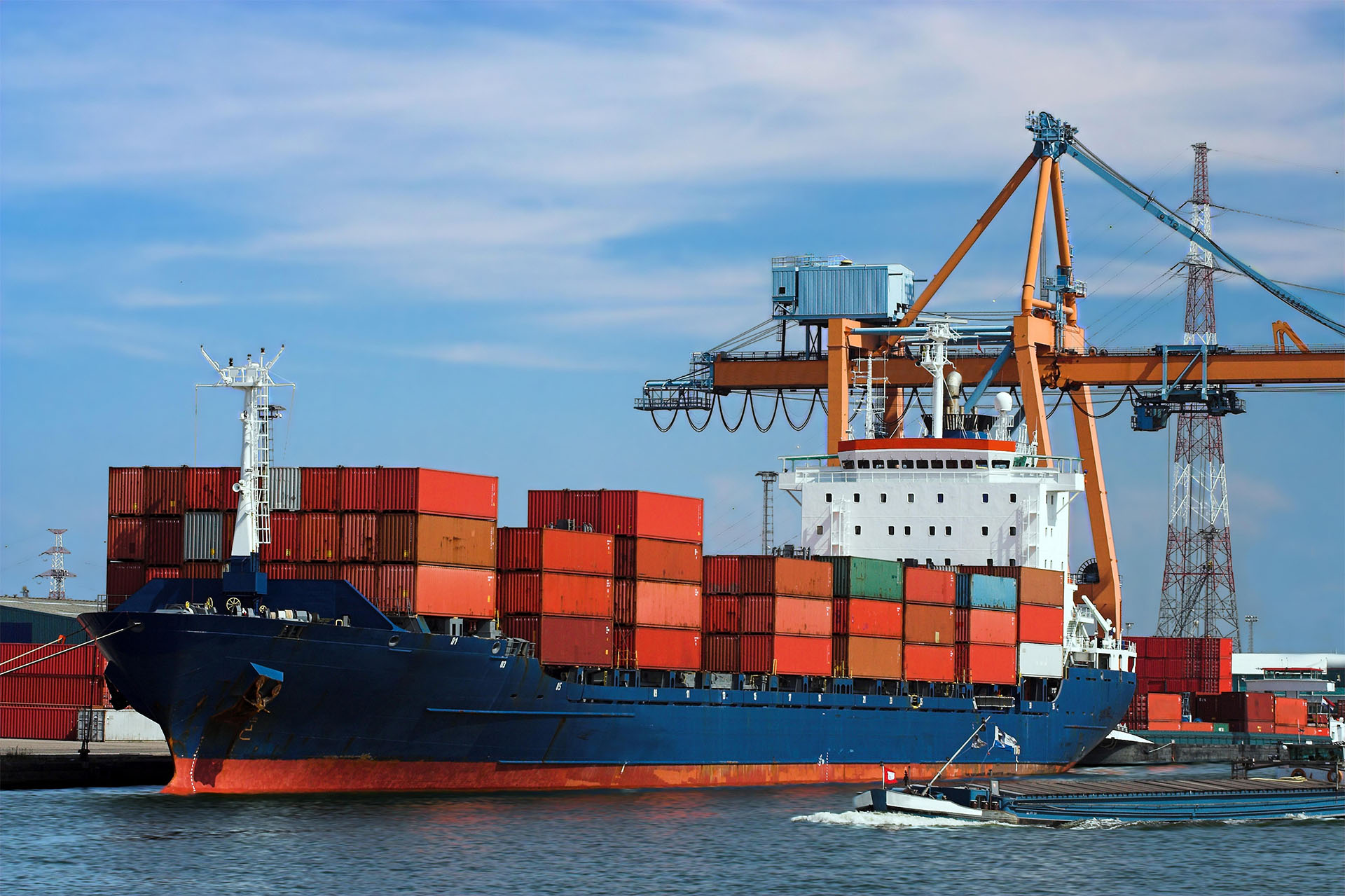
Industry analysts believe the current pressure on Middle Eastern ports is largely linked to Red Sea diversions and escalating regional conflicts. Due to safety concerns, some shipping lines have reduced their entry into high-risk areas such as the Persian Gulf. As a result, cargo originally destined for the Middle East has been forced to be transshipped or discharged at South Asian ports like Karachi and Mundra, causing a sudden surge in cargo volume at these ports. The accumulation of a large number of transshipment containers has significantly reduced port operation efficiency, quickly filled up yard capacity, and further extended vessel waiting times. The average waiting time at some ports has now reached 2.5 to 3.8 days.
Port congestion, in turn, negatively impacts vessel turnaround efficiency, effectively "locking up" available capacity and pushing up overall freight rates. At the same time, some freight forwarders have reported a notable increase in cargo rollovers on South Asia routes. Even with high-priced bookings, shipments may still be postponed due to tight space, amplifying market uncertainty.
Global supply chain risks continue to spread
At present, several core European ports are also operating at high capacity. Although ports such as Rotterdam, Hamburg, and Antwerp have not yet experienced severe congestion, reduced efficiency in rail and truck transshipment has slowed down the entire logistics chain. North American ports remain relatively stable overall, but some regions have seen extended container dwell times, slow rail recovery, and shortages of inland transport equipment. For foreign trade enterprises, the biggest challenge now is no longer just rising freight rates, but how to ensure supply chain stability in a highly volatile market environment.
Contact: Manager Li
Phone: 021-31056166
Email: sea-giant@sea-giant.com
Add: Room 1708, Pu Chuang Business Building, 1050 East Daming Road, Hongkou District, Shanghai, China
We chat