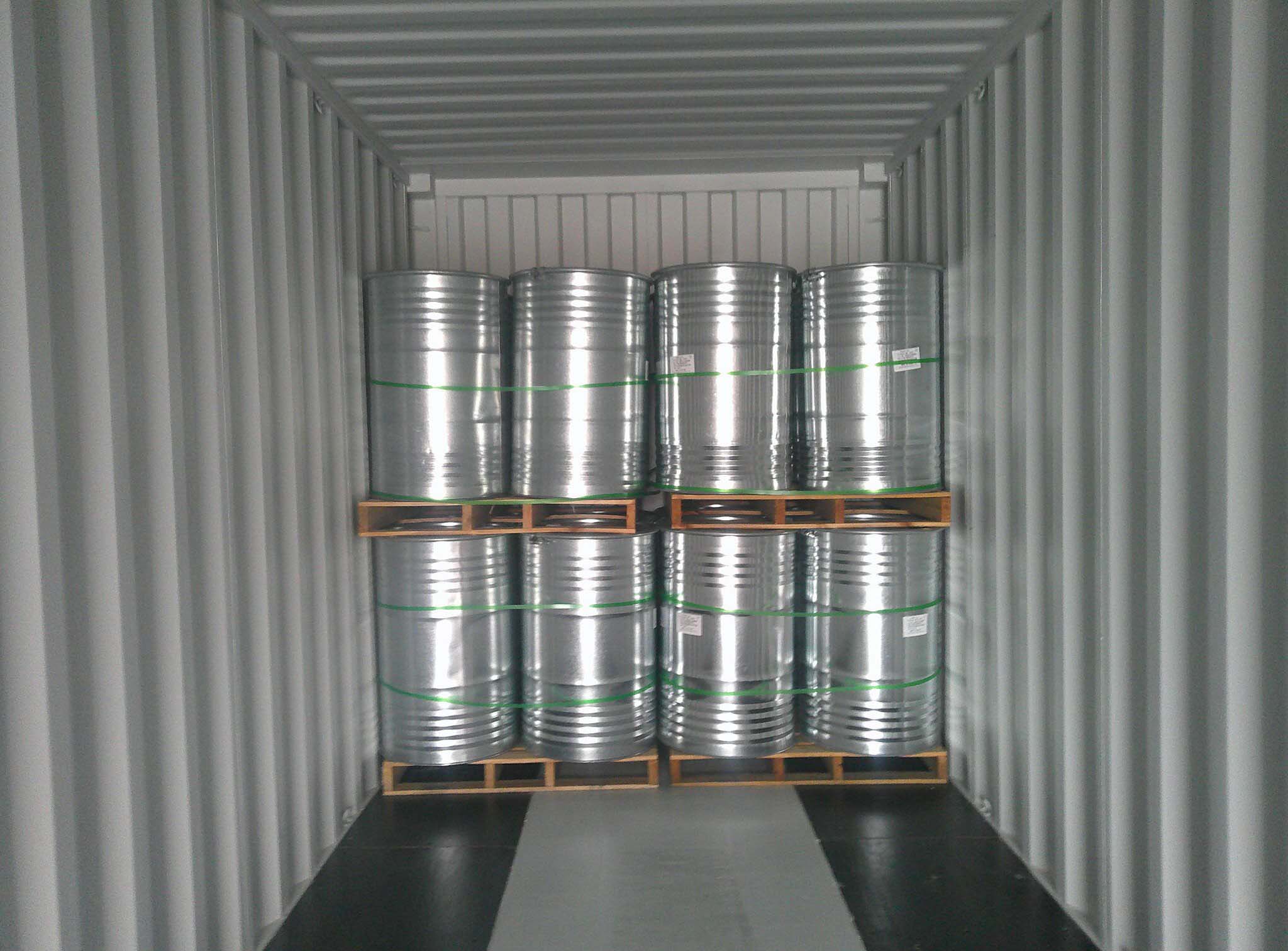
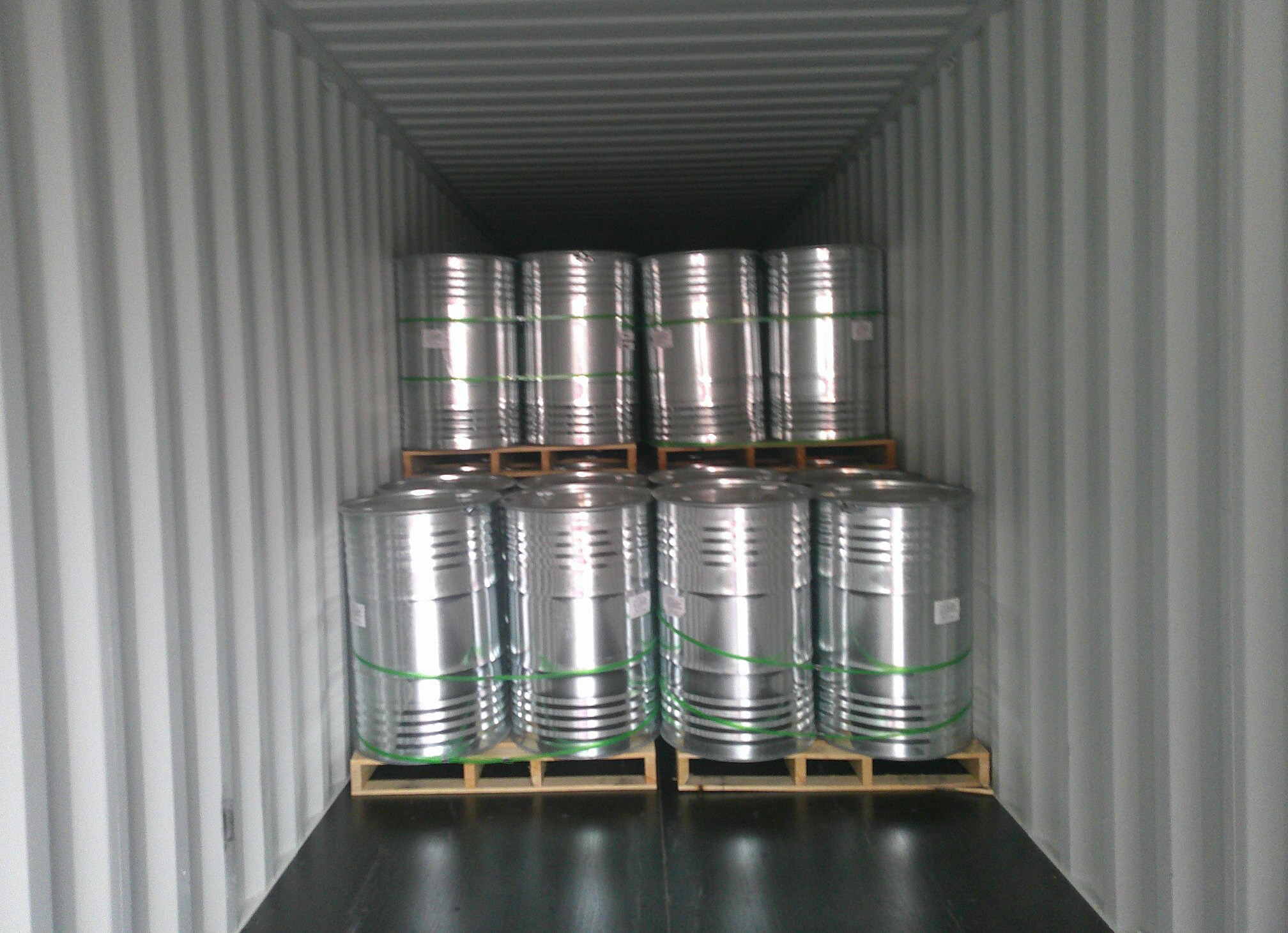
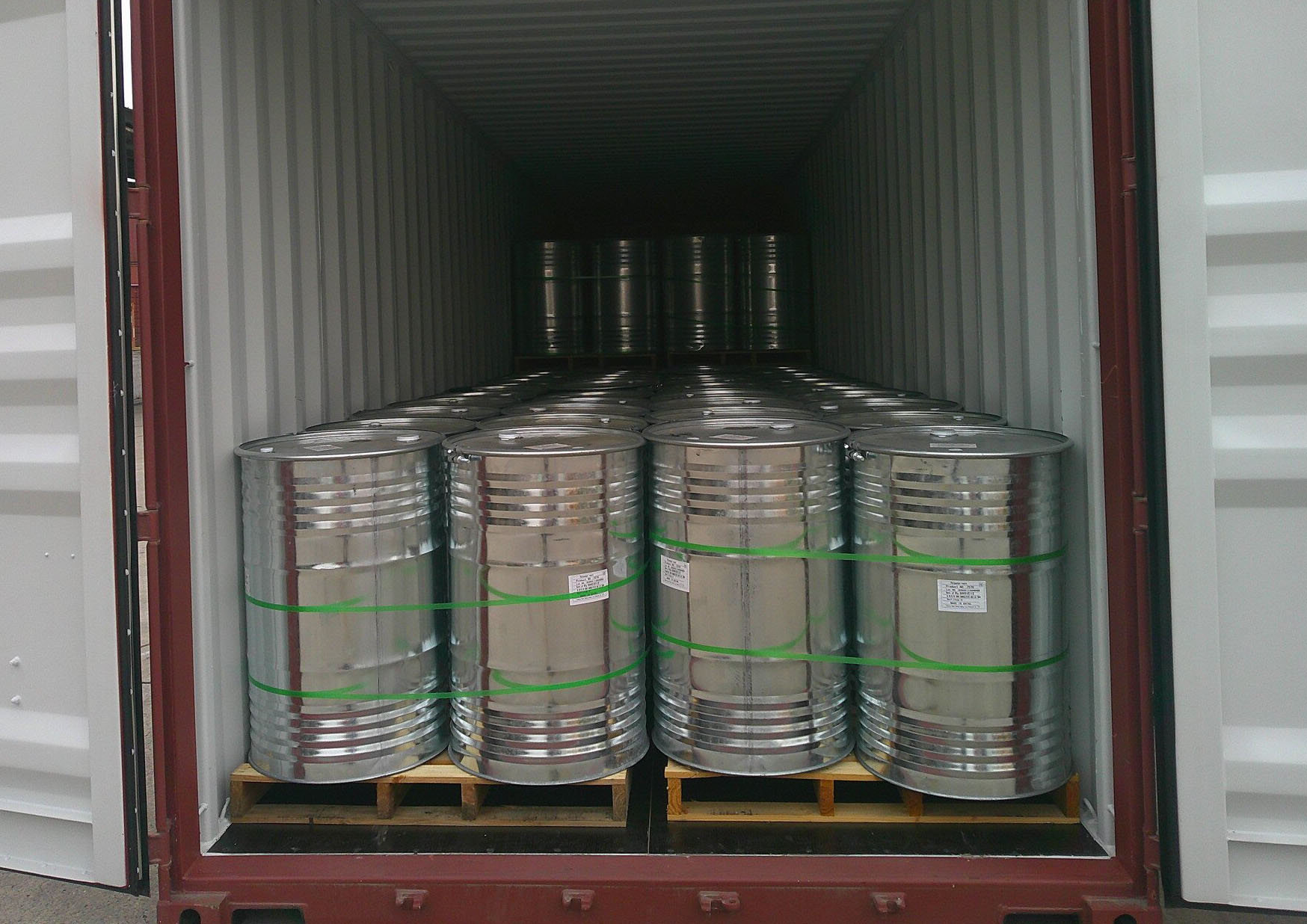
Industrial drummed liquids are cargoes with extremely high requirements for sealing and safety. They are mainly packaged in steel drums, IBC totes, plastic drums, etc. Some are dangerous chemicals, and strict measures must be taken during transport to prevent leakage, damage, and contamination.
Sealing integrity is critical: loose drum lids, aged gaskets, or deformed drum bodies can all cause leakage. Each drum must be inspected for packaging integrity before transport.
Liquid sloshing creates dynamic pressure: partially filled liquids slosh with the vessel's motion during transit, continuously exerting pressure on the drum walls and lids. Stacking and securing must be designed to resist these dynamic forces.
Some are dangerous goods: flammable, corrosive, or toxic liquids must be declared in accordance with dangerous goods regulations, with MSDS provided, and can only be booked after a special review by the shipping line.
Stacking height is restricted: steel drums are typically stacked 2‑3 layers high, while most IBC totes cannot be stacked at all. They must be segregated by packaging type to prevent collapse from over‑stacking.
Labels and hazard markings must be clearly visible: each drum must bear product name, hazard pictograms, UN numbers, etc. Damaged or faded labels must be replaced to facilitate inspection.
JYC Supply Chain: Providing a Comprehensive Integrated Logistics Service System
JYC handles a full range of liquid types, including chemicals, lubricants, resins, solvents, food‑grade liquids, and other industrial drummed cargoes in steel drums, IBC totes, plastic drums, and other packaging. Based on the liquid properties, packaging type, and hazard class, we customise the transport solution and manage the entire process from port consolidation to shipment.
Domestic pick‑up → packaging inspection + compliance declaration → palletising + lashing and securing → port delivery → ocean freight booking → destination delivery
Step 1: Domestic Inland Transport
Clients may either arrange delivery to our designated port consolidation yard themselves or authorise us to provide door‑to‑door pick‑up. We operate a fleet of box trucks or high‑sided trailers covering major chemical parks and liquid filling and distribution centres nationwide. Based on drum type and quantity, we deploy the appropriate vehicle to ensure safe delivery to the consolidation yard.
Step 2: Packaging Inspection + Compliance Declaration
Upon arrival, each drum is inspected for lid tightness, deformation, or corrosion. Damaged drums are immediately replaced or repaired. For dangerous liquids, the MSDS and dangerous goods packaging certificate are reviewed, and maritime declaration and shipping line approval are processed in accordance with dangerous goods regulations to ensure compliant shipment.
Step 3: Palletising and Lashing/Securing
All operations comply with shipping line requirements and industry standards. Dangerous goods and general cargo are stowed in separate compartments.
Our lashing solution:
Drums are placed on standard pallets with openings facing upward, and separators or wooden strips are placed between drums to prevent friction.
Each pallet of cargo is fully wrapped with stretch film to secure the drums and provide rain and moisture protection.
Steel drums are stacked no more than two layers high, or in accordance with the shipping line's stowage requirements. IBC totes are placed in a single layer, with heavy drums not placed on top of lighter ones.
The four corners of each pallet are secured to deck lashing rings with steel wire ropes or ratchet straps to prevent sliding.
Dangerous drums are stowed together in the hold, away from heat sources and living quarters, with access aisles left around them for inspection.
Corrosive liquid drums are placed on spill containment pallets or absorbent pads to prevent accidental spill spread.
After the entire batch is lashed, photos are taken of the pallets, drum labels, and stowage positions for documentation, and a lashing inspection certificate is issued.
Step 4: Port Operations
We submit the dangerous goods or heavy‑lift operation plan to the terminal in advance, coordinate forklifts and cranes to ensure smooth delivery of the palletised cargo to the port. Dedicated supervisors oversee the loading, re‑inspect drum sealing and lashing condition, and only after confirmation arrange for vessel loading. We also cooperate with customs and maritime inspections and assist with dangerous goods customs clearance.
Step 5: Ocean Freight Booking
Based on the liquid properties, hazard class, and destination port, we select the most suitable vessel type and route, prioritising shipping lines with dangerous goods carriage qualifications. Our main cooperating vessel types include: general cargo / multi‑purpose vessels capable of carrying dangerous goods. We cover major ports from China to Southeast Asia, the Middle East, Africa, South America, and Europe. We also provide recommendations for marine insurance solutions, and can arrange cargo insurance on behalf of clients upon request.
Step 6: Destination Delivery
We notify the consignee in advance of the voyage schedule and estimated time of arrival, assist with discharging and customs clearance at the destination port, and coordinate local logistics resources with dangerous goods handling capabilities for last‑mile delivery. Throughout the process, we provide full tracking of all logistics milestones and keep you updated with real‑time cargo status, ensuring complete peace of mind for our clients.
Contact: Manager Li
Phone: 021-31056166
Email: sea-giant@sea-giant.com
Add: Room 1708, Pu Chuang Business Building, 1050 East Daming Road, Hongkou District, Shanghai, China
We chat