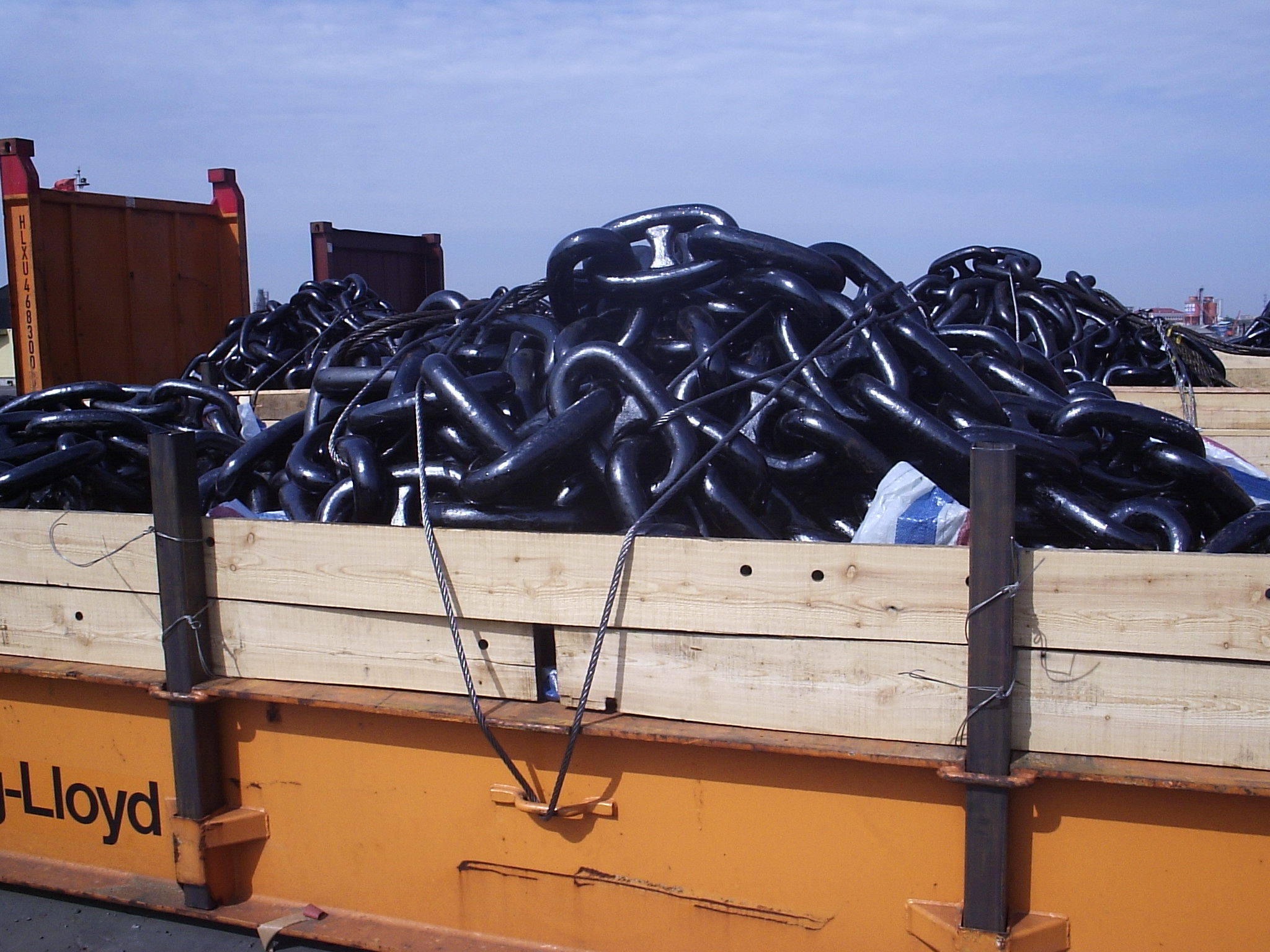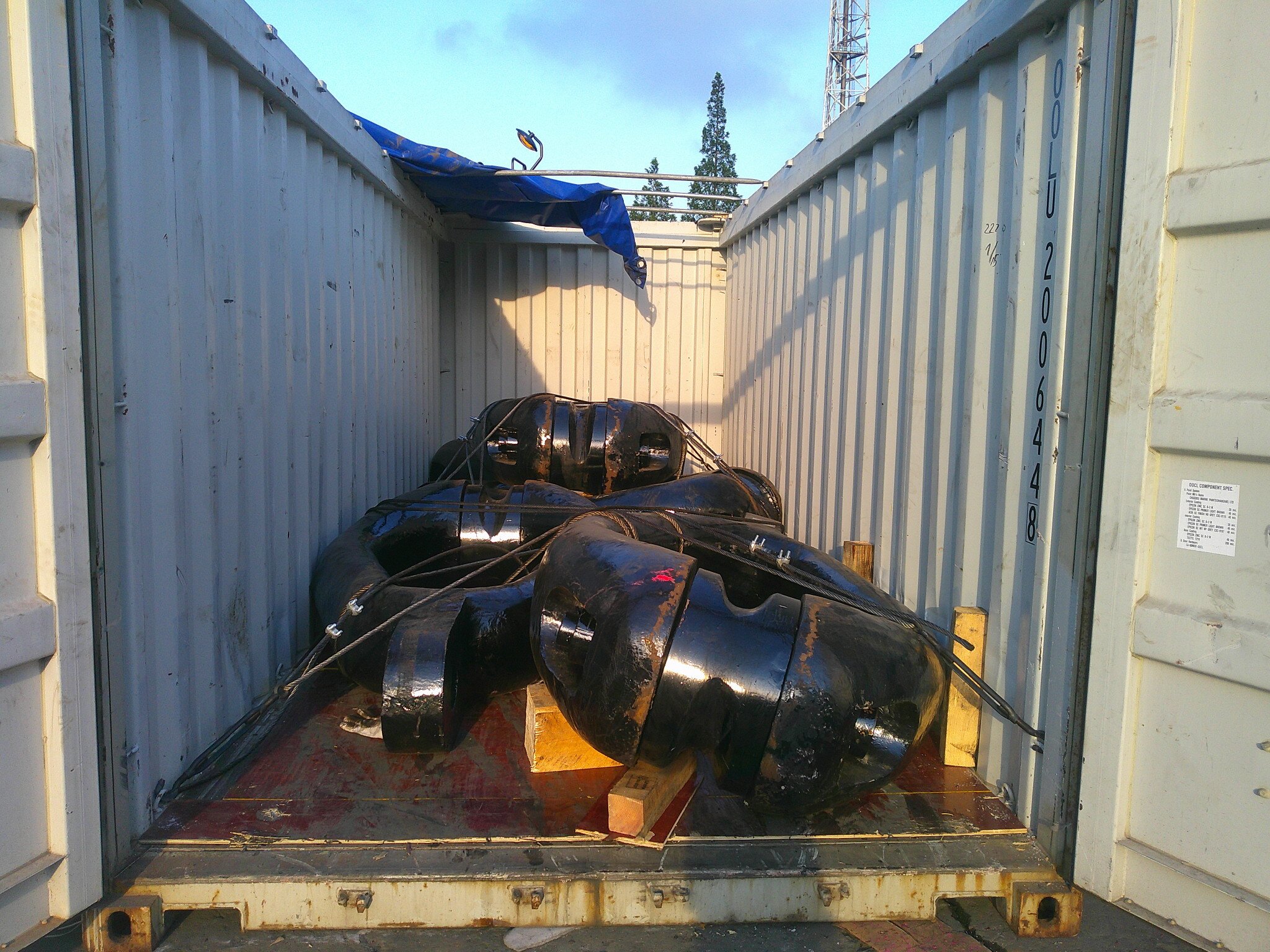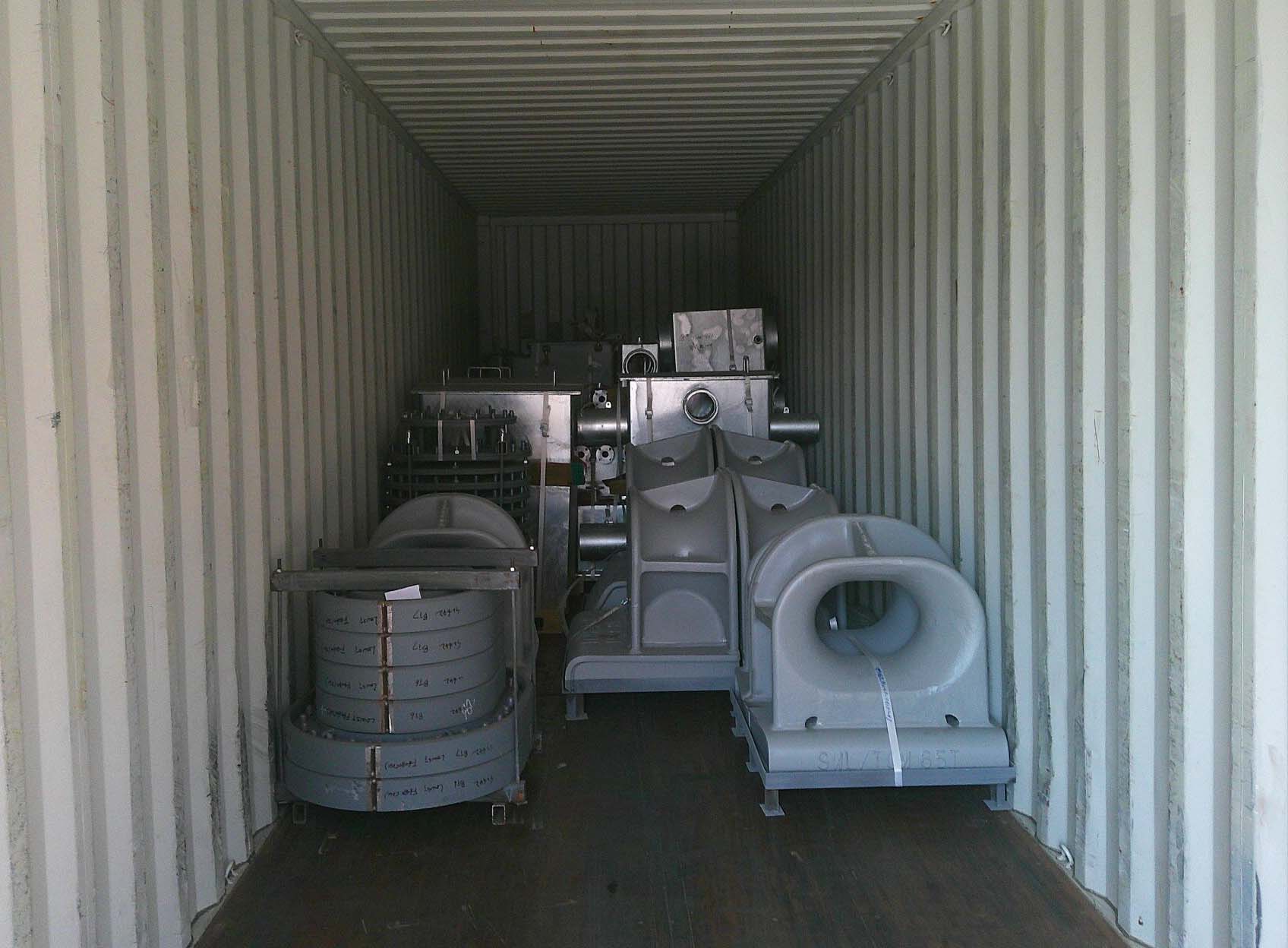
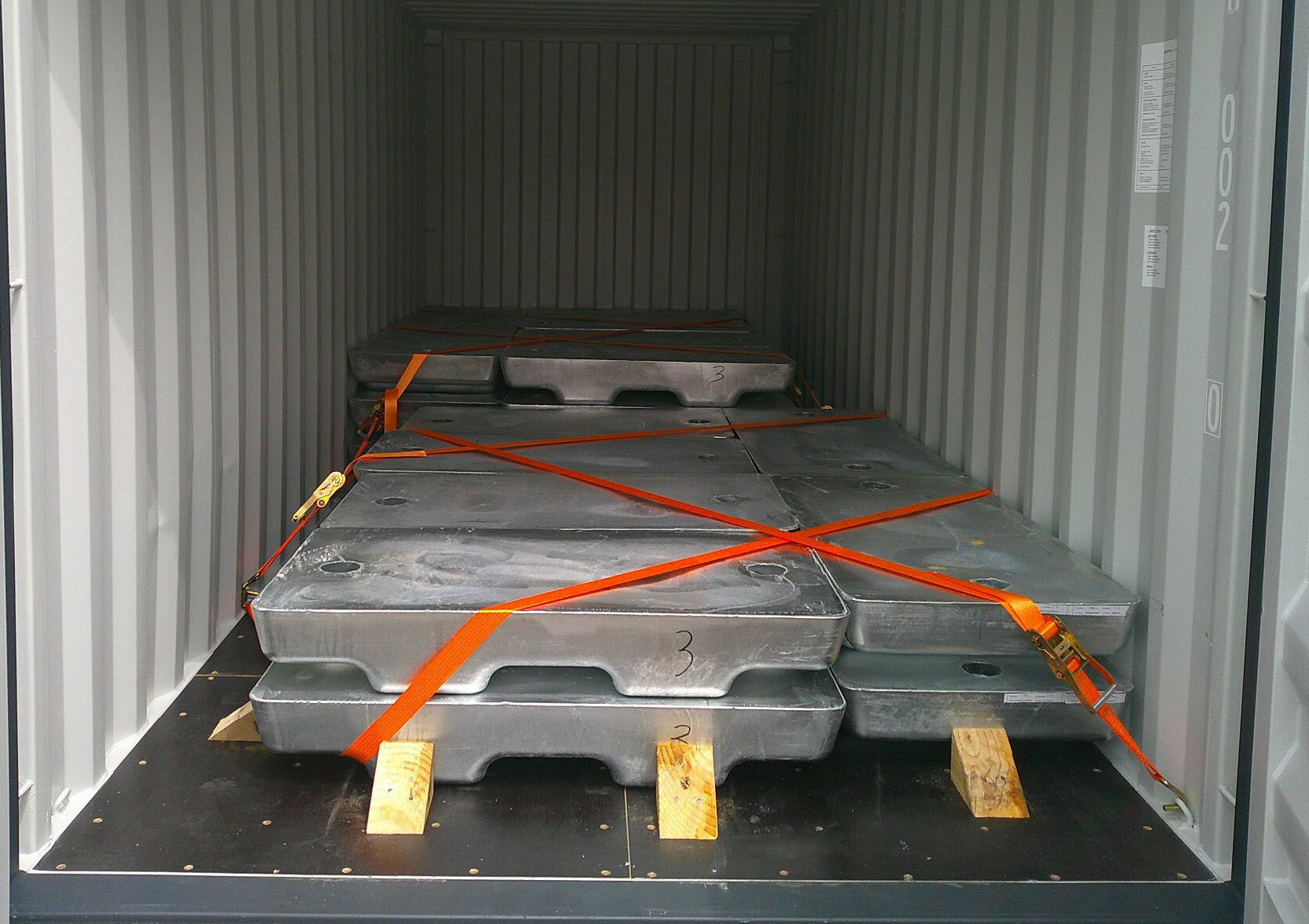
Marine anti‑corrosion anode blocks fall into the category of high‑purity alloy castings, typically made of zinc alloy, aluminium alloy or magnesium alloy. They are used for cathodic protection of hulls and offshore structures. Individual pieces are heavy, the material is relatively brittle, and surface quality requirements are high. During transport, impact protection and corrosion prevention are key priorities.
Individual weight ranges from a few kilogrammes to over one hundred kilogrammes; large hull anodes require appropriate vehicles and lifting gear.
The material is relatively brittle: zinc‑alloy and magnesium‑alloy anodes have poor impact resistance; impacts can cause cracks or fractures.
Exposed steel insert (core): anodes typically have a built‑in steel core for installation and welding. The machined ends of the core require rust protection.
High surface quality requirements: the anode surface must remain clean; oil contamination, scratches or oxidation can affect electrochemical performance.
Large batch quantities are often shipped together, requiring classification, anti‑collision stacking, and separate packing for different alloy types to avoid contact corrosion.
JYC Supply Chain: Providing a Comprehensive Integrated Logistics Service System
JYC handles a full range of product types, including hull sacrificial anodes, ballast tank anodes, offshore platform anodes, and other anti‑corrosion anode blocks for marine and offshore engineering. Based on piece weight and dimensions, we match the appropriate container specifications and manage the entire process from containerisation to shipment.
Domestic pick‑up → container selection + loading operations → lashing and securing → port delivery → ocean freight booking → destination delivery
Step 1: Domestic Inland Transport
Clients may either arrange delivery to our designated loading yard themselves or authorise us to provide door‑to‑door pick‑up. We provide suitable transport vehicles covering major anode casting bases nationwide. Based on piece weight, we deploy the appropriate vehicle to ensure safe delivery to the loading site.
Step 2: Container Selection + Loading Operations
Based on anode block weight and dimensions, we select the appropriate container specifications to ensure smooth loading without exceeding payload capacity or dimensional limits. A professional lifting team carries out the loading operation with full‑process monitoring to avoid impact.
Step 3: Lashing and Securing
All operations comply with shipping line requirements and industry standards.
Our lashing solution:
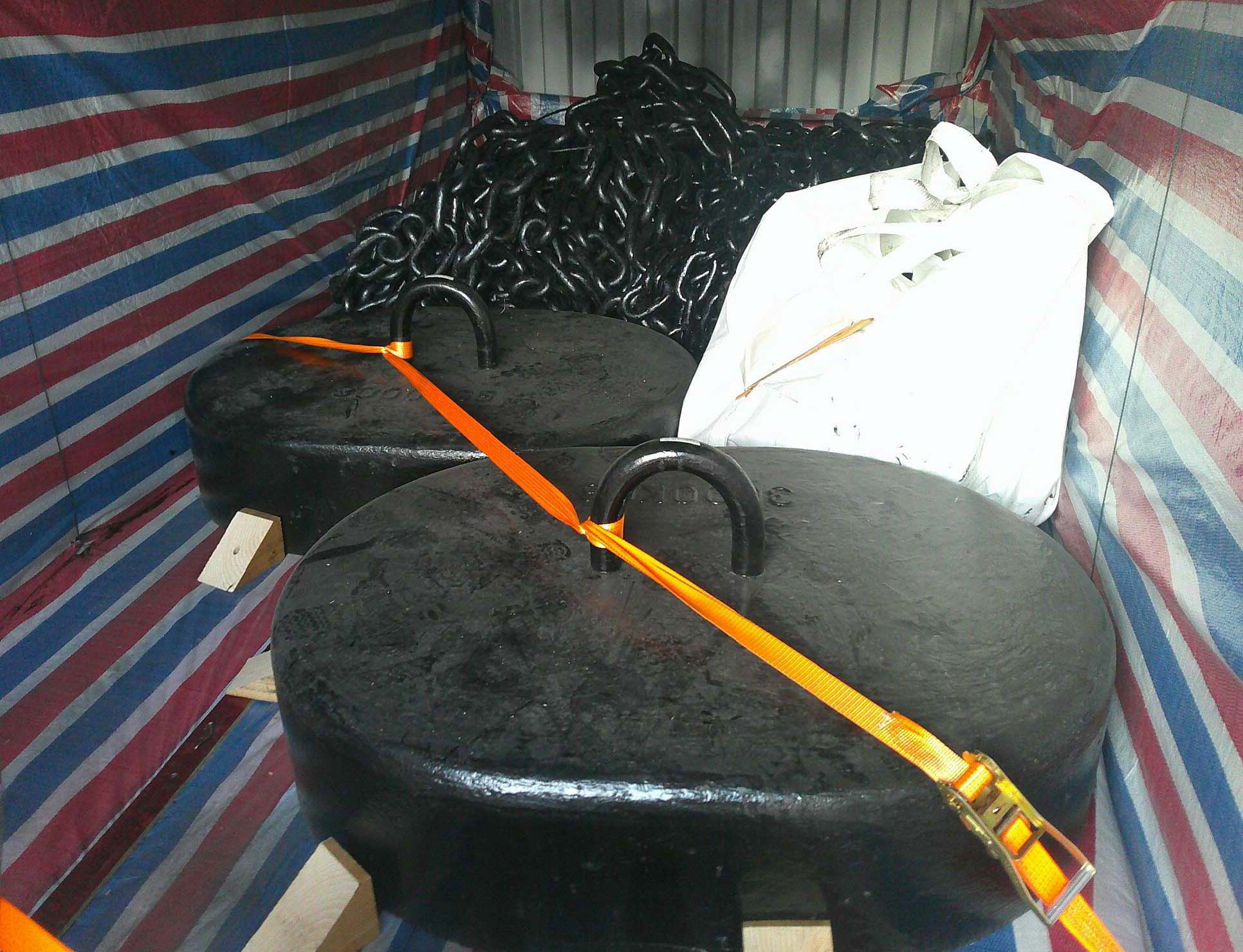
Timber sleepers or rubber pads are placed under the anode blocks to prevent hard contact with the container floor.
Anodes in the same row are placed tightly together, with wooden strips or rubber pads between them to prevent mutual impact.
Separators or timber sleepers are laid between each layer of anodes to distribute weight and limit stacking height.
The ends of the steel inserts are wrapped with rust‑preventive paper or stretch film, and fitted with plastic protective caps to protect threads.
Each pallet or entire row is secured to container lashing points with lashing straps to prevent horizontal displacement.
Anodes of different alloy types (zinc/aluminium/magnesium) are packed in separate containers or separate sections to avoid galvanic corrosion.
After the entire container is lashed, photographs are taken for documentation, and a lashing inspection certificate is issued.
Step 4: Port Operations
We submit the operation plan to the terminal in advance, coordinate lifting and handling equipment (cranes, etc.) to ensure smooth delivery of the container to the port. Dedicated supervisors oversee the loading, re‑inspect the lashing condition, and only after confirmation arrange for vessel loading. We also cooperate with customs inspections and assist with clearance procedures.
Step 5: Ocean Freight Booking
Based on container specifications and destination port, we select the most suitable vessel type and route, prioritising shipping lines with proven experience in heavy‑lift container transport. Our main cooperating vessel types include: breakbulk / general cargo vessels, multi‑purpose vessels, heavy‑lift vessels, and Ro‑Ro vessels capable of carrying specialised containers. We cover major ports from China to Southeast Asia, the Middle East, Africa, South America, and Europe. We also provide recommendations for marine insurance solutions.
Step 6: Destination Delivery
We notify the consignee in advance of the voyage schedule and estimated time of arrival, assist with discharging and customs clearance at the destination port, and coordinate local transport resources for last‑mile delivery. Throughout the process, we provide full tracking of all logistics milestones and keep you updated with real‑time transport status.
Contact: Manager Li
Phone: 021-31056166
Email: sea-giant@sea-giant.com
Add: Room 1708, Pu Chuang Business Building, 1050 East Daming Road, Hongkou District, Shanghai, China
We chat