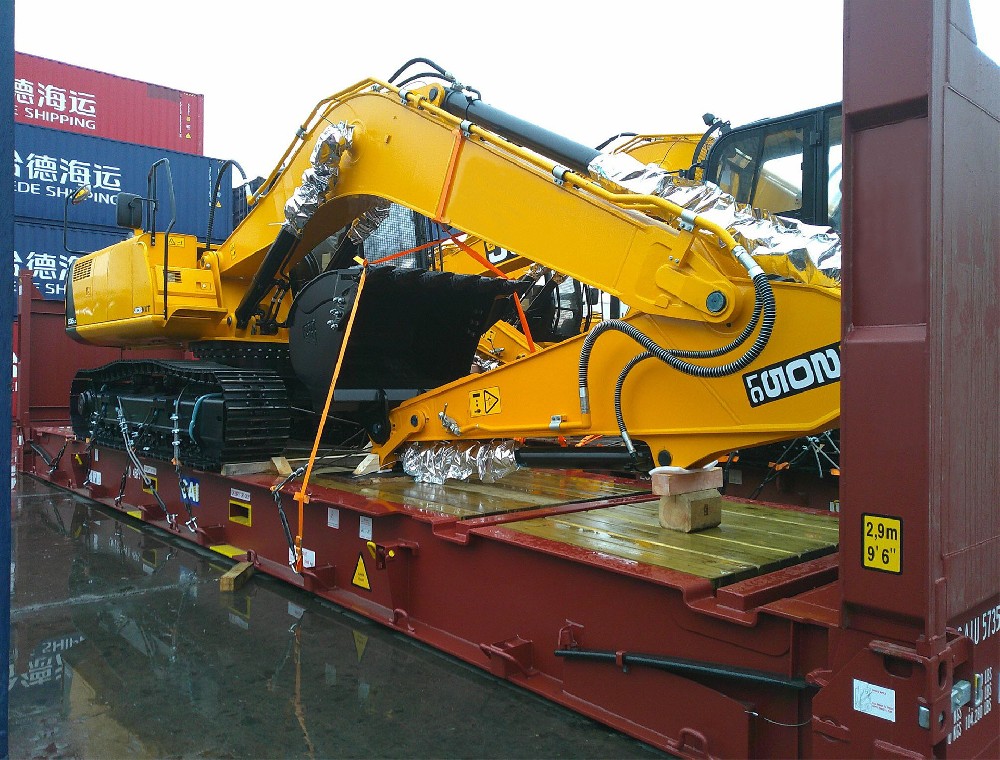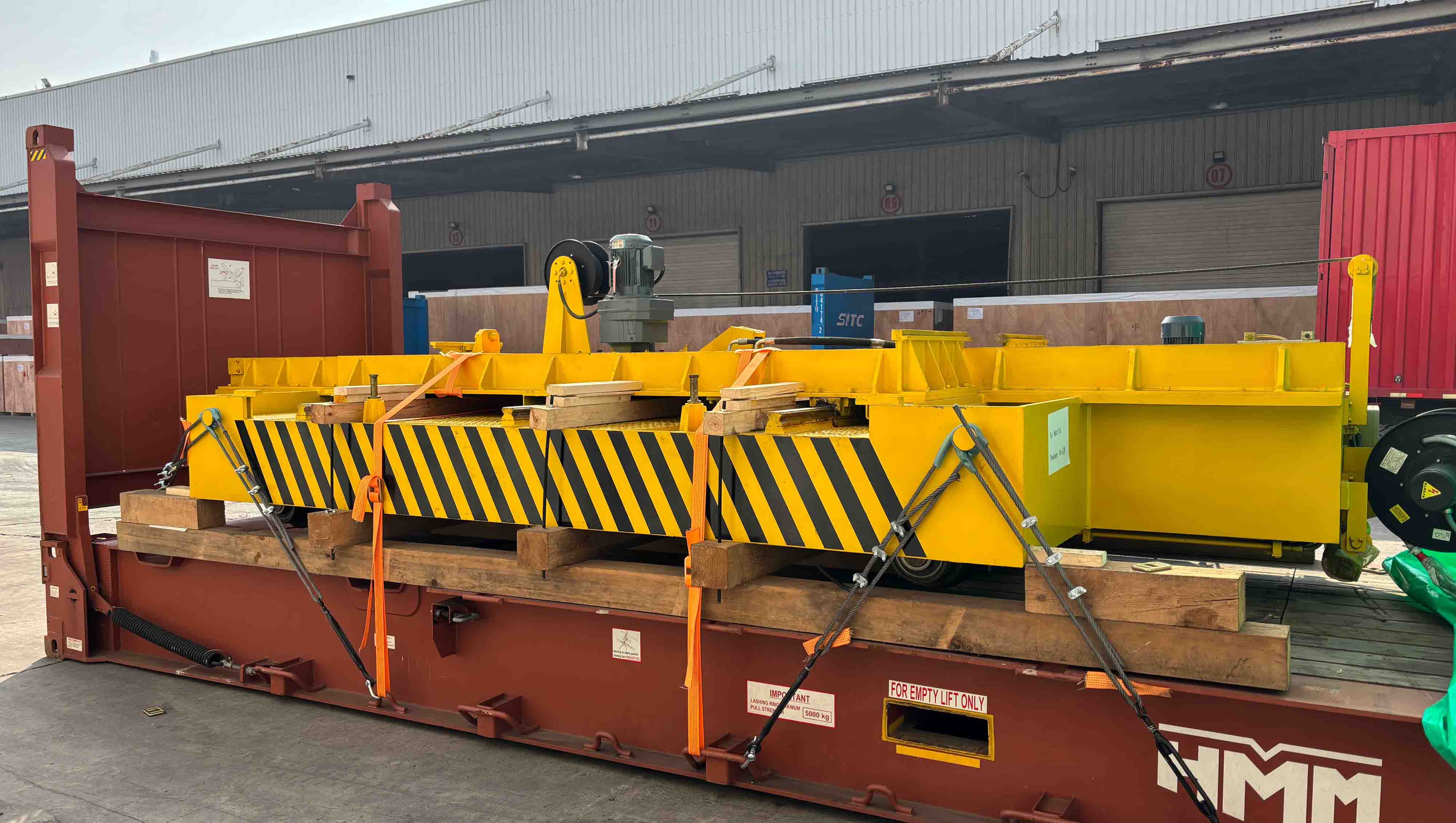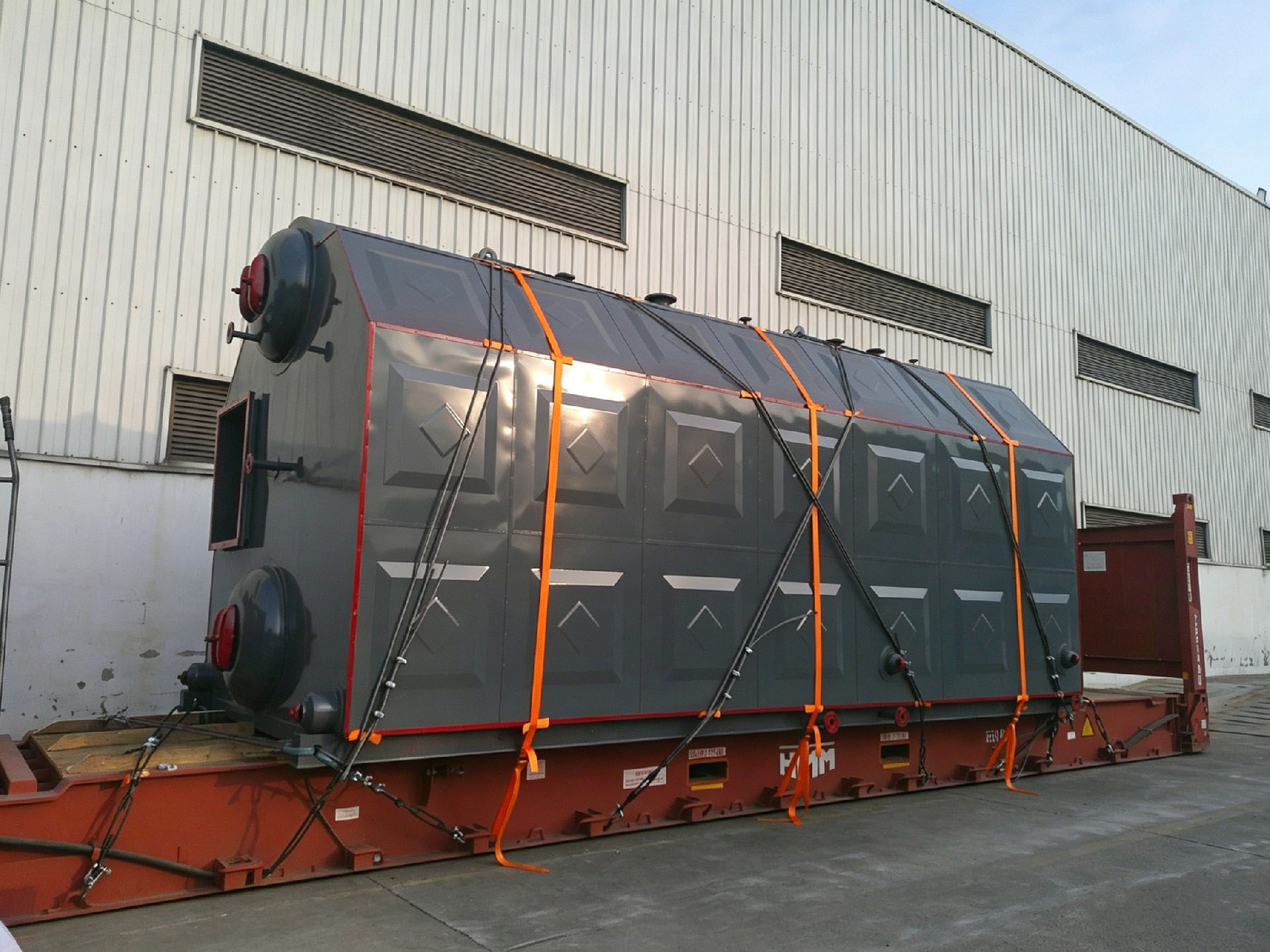
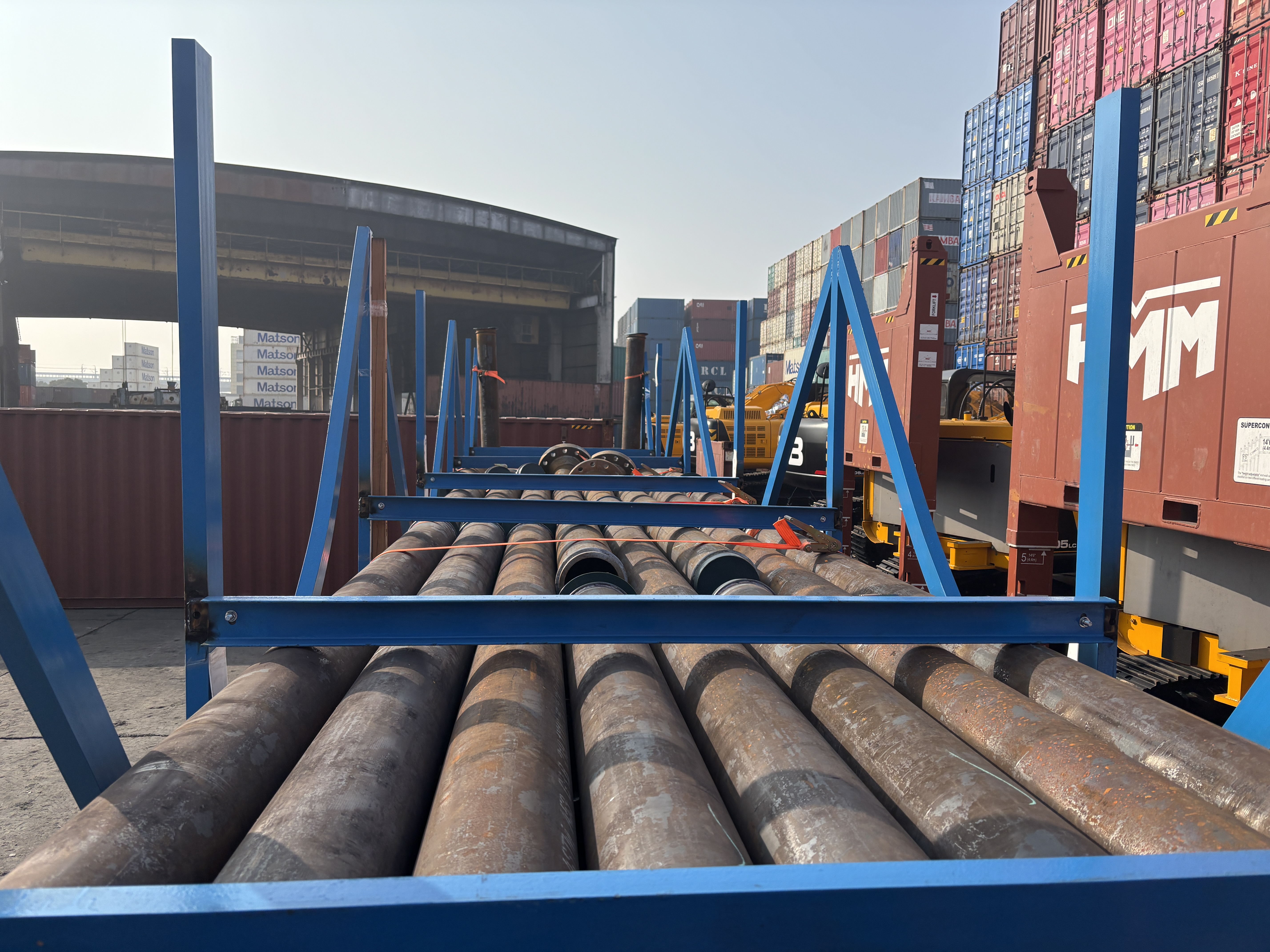
Industrial pipes fall into the category of over‑length, irregularly shaped, and system‑matched heavy cargo. A single steel pipe can be over 12 metres in length, and large‑diameter pipes can exceed 2 metres in diameter. Transport solutions must be developed on a case‑by‑case basis according to pipe diameter, wall thickness, and material type.
Over‑length and oversized: standard steel pipes are 6‑12 metres long, with some custom‑made pipes reaching up to 18 metres. For booking, pipe diameter and length data must be submitted in advance to confirm deck stowage positions.
Pipe ends are vulnerable: precision‑machined surfaces such as pipe end bevels, flange faces, and threaded joints are susceptible to damage and must be protected during transport.
Numerous irregular fittings: elbows, tees, reducers and other fittings have irregular shapes and cannot be stacked neatly like straight pipes; securing plans must be customised for each piece.
Fragile anti‑corrosion / lining layers: pipes with anti‑corrosion coatings, plastic linings, or rubber linings are easily scratched or dented. During lifting and securing, slings must not come into direct contact with the surface.
Complex system matching: a single piping project may involve hundreds of straight pipes plus a large number of fittings, valves, flanges, and fasteners. These require coordinated delivery to the port, classification into batches, and sequenced shipment.
JYC Supply Chain: Providing a Comprehensive Integrated Logistics Service System
JYC handles a full range of pipe types, including carbon steel pipes, stainless steel pipes, alloy steel pipes, composite pipes, anti‑corrosion pipes, insulated pipes, and associated fittings, valves, and flanges. We match the appropriate transport solution based on pipe diameter, wall thickness, and material type, and manage the entire process from port consolidation to shipment.
Domestic pick‑up → solution planning + vessel type matching → lashing and securing → port delivery → ocean freight booking → destination delivery
Step 1: Domestic Inland Transport
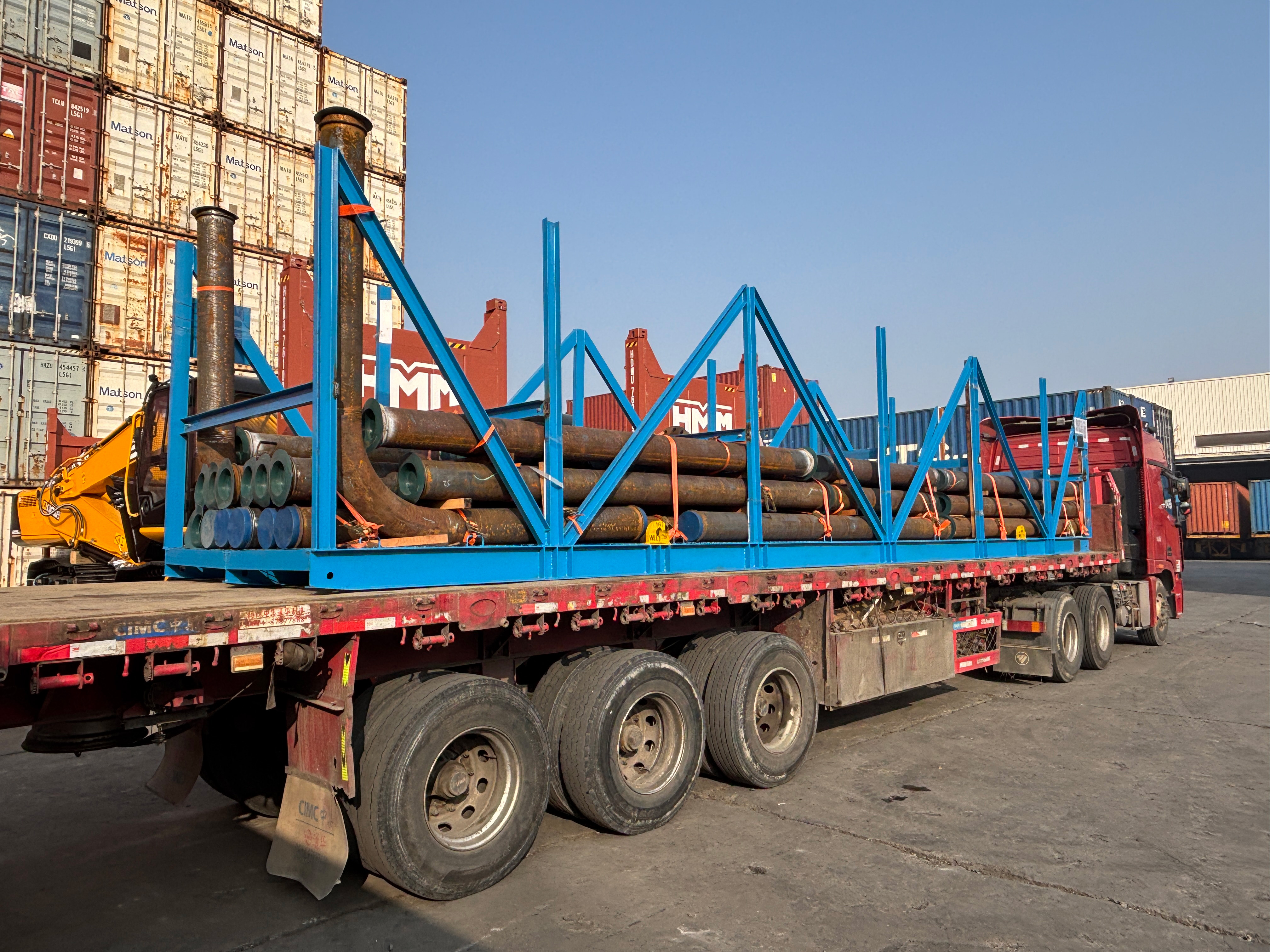
Clients may either arrange delivery to our designated port consolidation yard themselves or authorise us to provide door‑to‑door pick‑up. We operate a fleet of low‑bed trailers covering major steel pipe manufacturing bases and steel markets nationwide. Based on pipe length and diameter, we deploy the appropriate vehicle to ensure safe delivery to the consolidation yard.
Step 2: Solution Planning + Vessel Type Matching
We develop a stowage plan according to pipe diameter, length, material, and batch quantity. Straight pipes are stacked by category, while irregular fittings are individually planned. Large‑diameter thin‑walled pipes and thick‑walled pipes are separated to avoid deformation from heavy pressure. The appropriate vessel type is selected to ensure that over‑length pipes are properly stowed.
Step 3: Lashing and Securing
All operations comply with shipping line requirements and industry standards.
Our lashing solution:
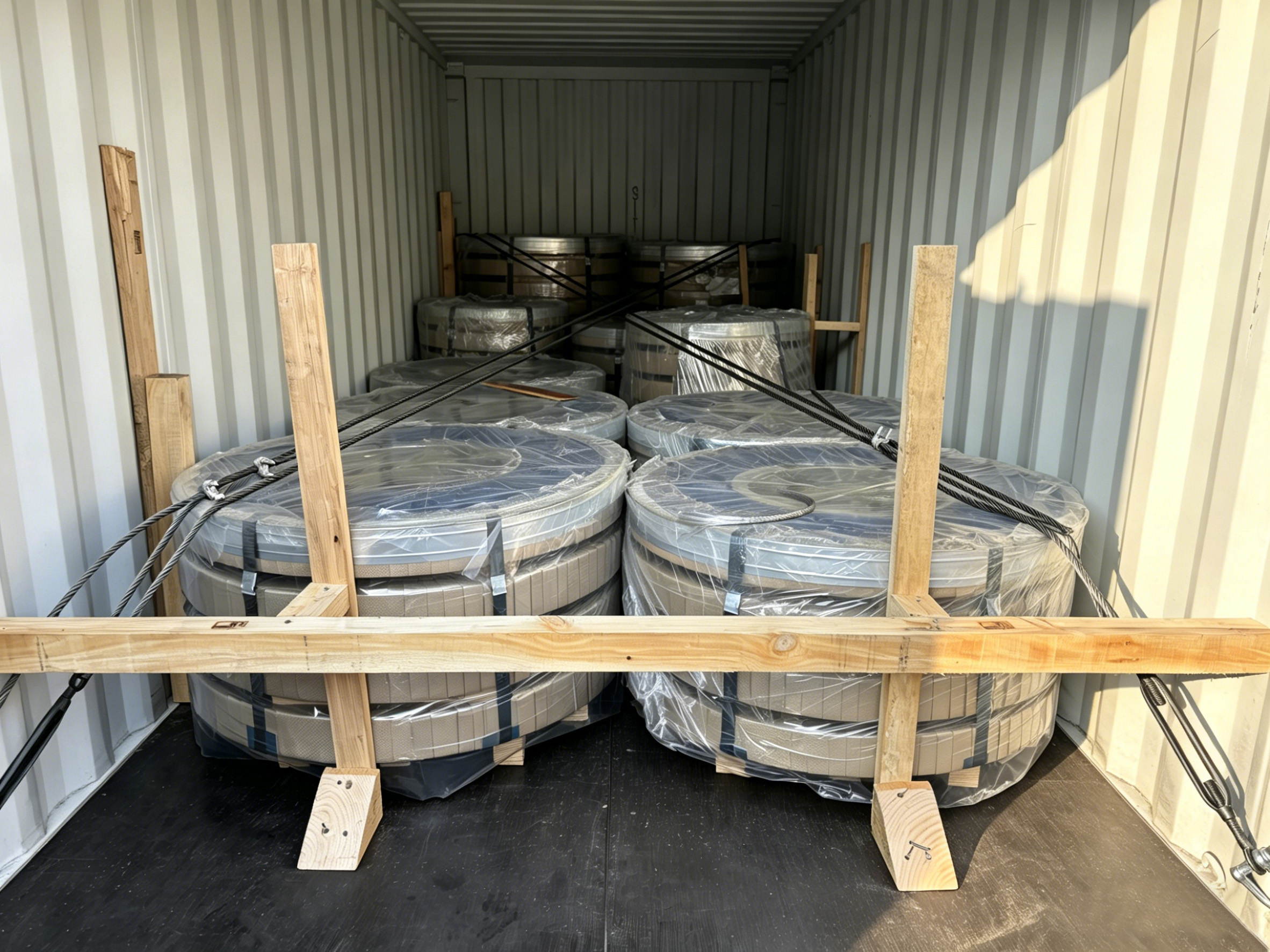
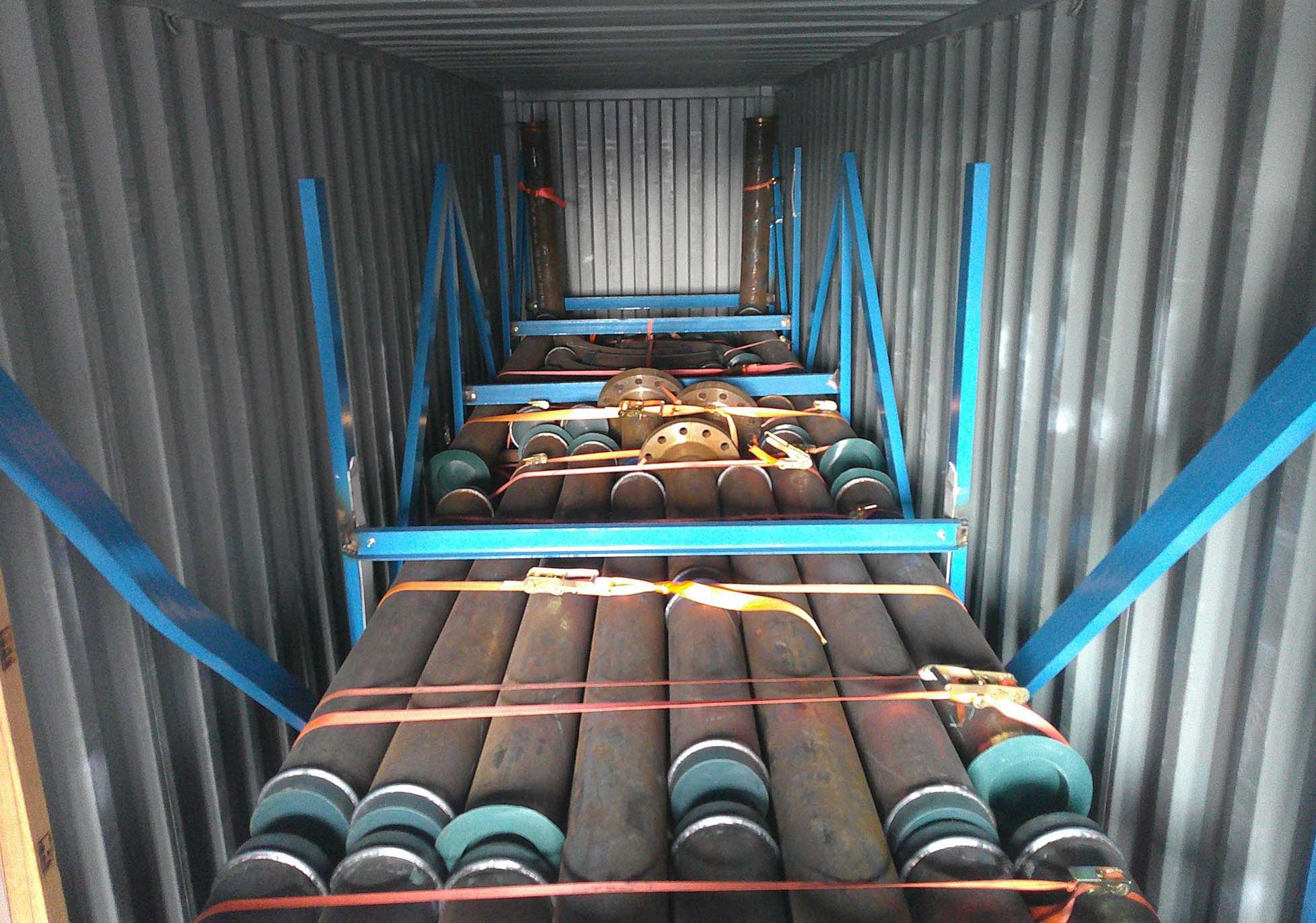
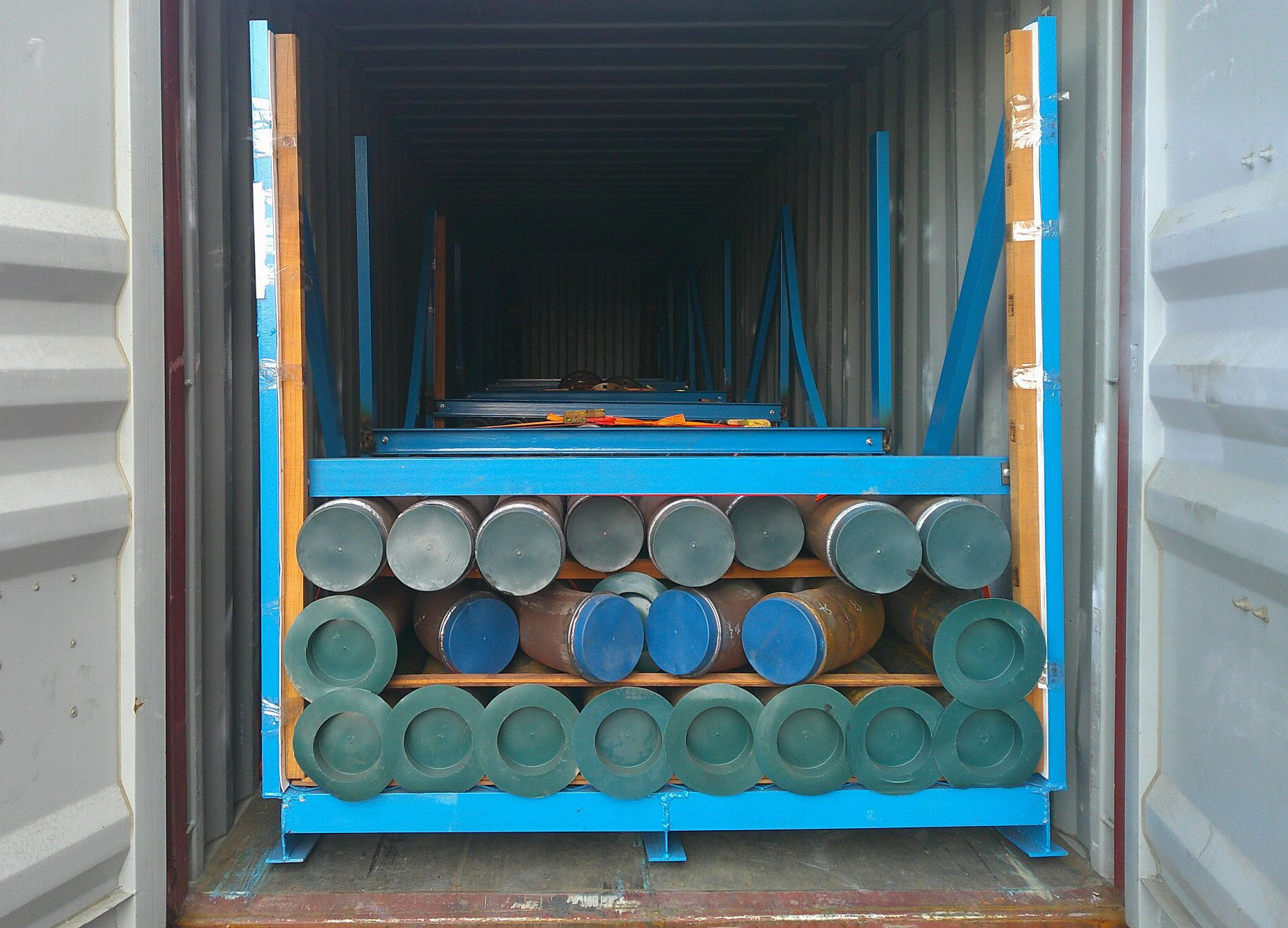
Straight pipes are stacked in bundles. Within each bundle, wooden strips are placed between pipes as separators; multiple lashing straps are applied around the bundle to prevent loosening.
Timber sleepers are placed under the pipe bundles to distribute weight, increase friction, and prevent the bottom layer of pipes from rolling.
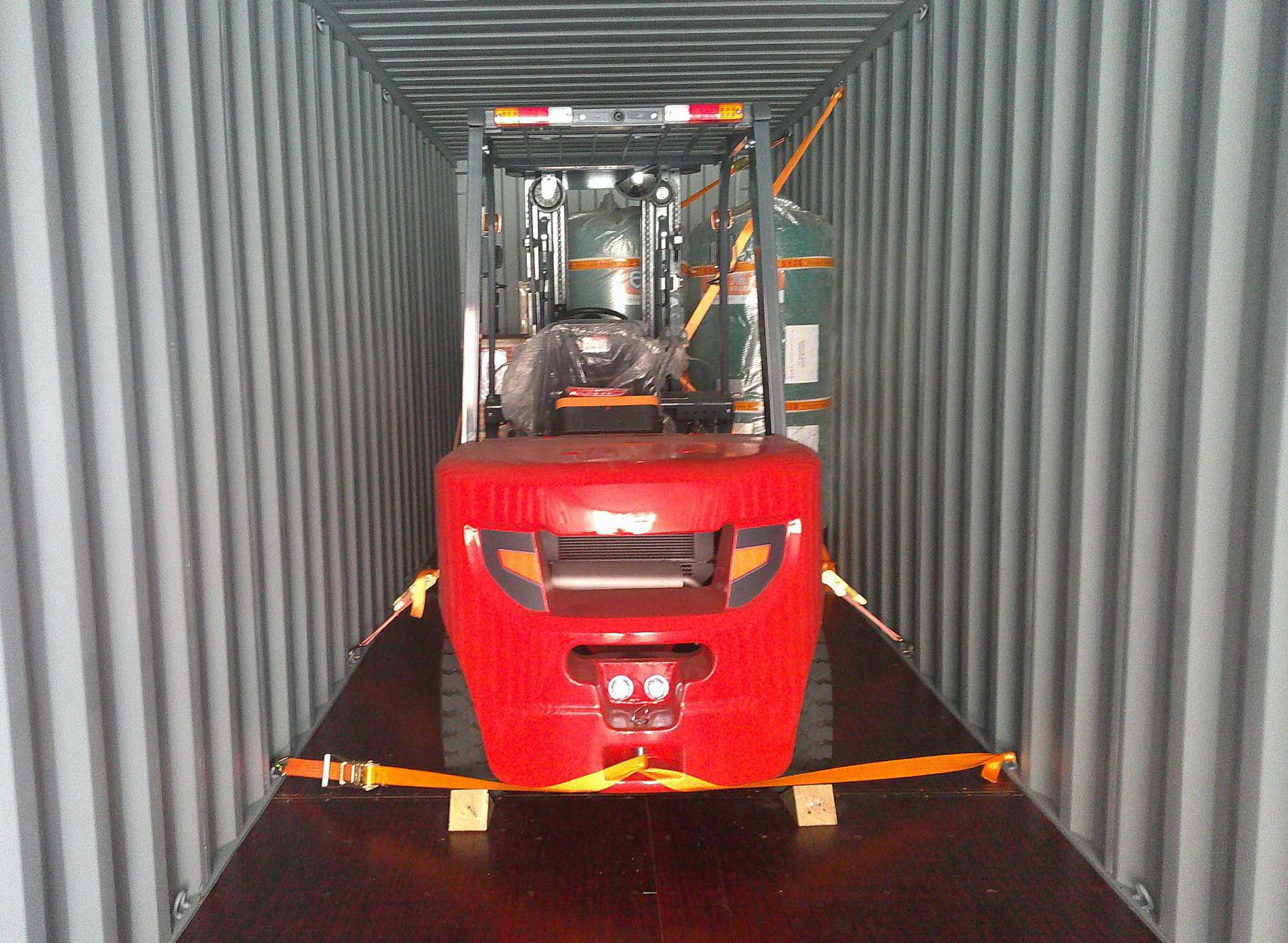
Steel supports or timber blocks are positioned on both sides of the pipe bundles as lateral restraints; steel wire ropes with tensioners are used to secure the bundles, preventing overall shifting during vessel rolling.
Pipe end bevels and flange faces are fitted with plastic protective caps or wrapped with stretch film to prevent impact damage.
Irregular fittings such as elbows and tees are secured individually, using timber blocks or dedicated supports to prevent rolling.
For anti‑corrosion or lined pipes, nylon slings are used during lifting, and rubber pads are placed at contact points with lashings to prevent damage to coatings or linings.
Small components such as valves, flanges, and fasteners are packed into separate boxes, with labels indicating part numbers and specifications for easy sorting at the destination port.
After the entire vessel is lashed, photographs are taken for documentation, and a lashing inspection certificate is issued.
Step 4: Port Operations
We submit the heavy‑lift operation plan to the terminal in advance, coordinate lifting and handling equipment (cranes, etc.) to ensure smooth delivery of the cargo to the port. Dedicated supervisors oversee the loading, re‑inspect the lashing condition, and only after confirmation arrange for vessel loading. We also cooperate with customs inspections and assist with clearance procedures.
Step 5: Ocean Freight Booking
Based on pipe length, diameter, and destination port, we select the most suitable vessel type and route, prioritising shipping lines with proven experience in over‑length cargo transport. Our main cooperating vessel types include: breakbulk / general cargo vessels and multi‑purpose vessels. We cover major ports from China to Southeast Asia, the Middle East, Africa, South America, and Europe. We also provide recommendations for marine insurance solutions.
Step 6: Destination Delivery
We notify the consignee in advance of the voyage schedule and estimated time of arrival, assist with discharging and customs clearance at the destination port, and coordinate local transport resources for last‑mile delivery. Throughout the process, we provide a complete cargo manifest and tracking of all logistics milestones, keeping you updated with real‑time transport status.
联系人: Manager Li
电话: 021-31056166
邮件: sea-giant@sea-giant.com
地址: Room 1708, Pu Chuang Business Building, 1050 East Daming Road, Hongkou District, Shanghai, China