Industrial lifting equipment falls into the category of heavy, precision, structurally complex lifting machinery, used for material handling in factories, warehouses, power stations, and other locations. Individual units are heavy, have large spans, and comprise multiple system components. During transport, deformation prevention and protection of precision parts are key priorities.
Individual weights range from several tonnes to several dozen tonnes. Structural components such as crane main girders and end carriages require heavy‑duty vehicles for transport.
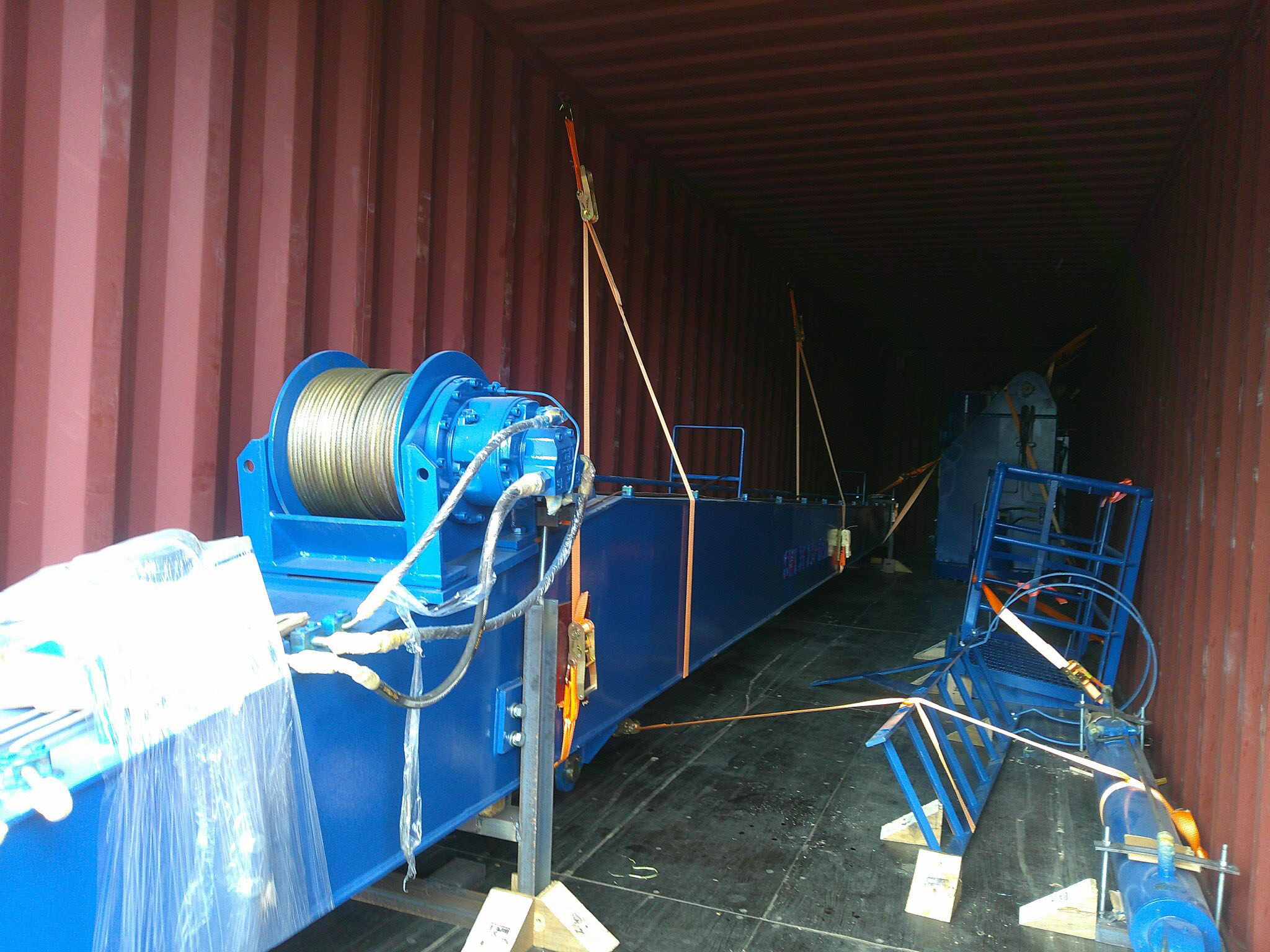
Main girders have large spans, with lengths reaching several dozen metres, requiring disassembly into sections for transport or the use of over‑length flat‑rack containers. Dimensional drawings of each section must be submitted in advance for booking.
Travel mechanisms are precision‑engineered: wheels, rails, gearboxes, motors, and other components have high machining precision; impact damage will affect smooth operation.
Electrical systems are sensitive to vibration and moisture: control cabinets, inverters, cable reels, etc., require shock‑proof packaging and moisture‑proof treatment.
Strong system integration: a single project includes main girders, end carriages, trolleys, electrical control systems, hook assemblies, and many other component types, requiring coordinated port consolidation and sequential packing.
JYC Supply Chain: Providing a Comprehensive Integrated Logistics Service System
JYC handles a full range of product types, including overhead cranes, gantry cranes, jib cranes, electric hoists, and other industrial lifting equipment. Based on the dimensions and weight of each disassembled component, we match the appropriate container specifications and manage the entire process from containerisation to shipment.
Domestic pick‑up → dismantling plan + container selection → lashing and securing → port delivery → ocean freight booking → destination delivery
Step 1: Domestic Inland Transport
Clients may either arrange delivery to our designated loading yard themselves or authorise us to provide door‑to‑door pick‑up. We operate a fleet of low‑bed trailers and multi‑axle trailers covering major crane manufacturing bases nationwide. Based on component dimensions, we deploy the appropriate vehicle to ensure safe delivery to the loading site.
Step 2: Dismantling Plan + Container Selection
We develop a dismantling and transport plan according to the crane model, determining the segmentation of main girders, independent packing of trolleys, and containerisation of electrical control systems. Based on the dimensions and weight of each component, we select the appropriate container specifications to ensure proper loading of over‑length items.
Step 3: Lashing and Securing
All operations comply with shipping line requirements and industry standards.
Our lashing solution:
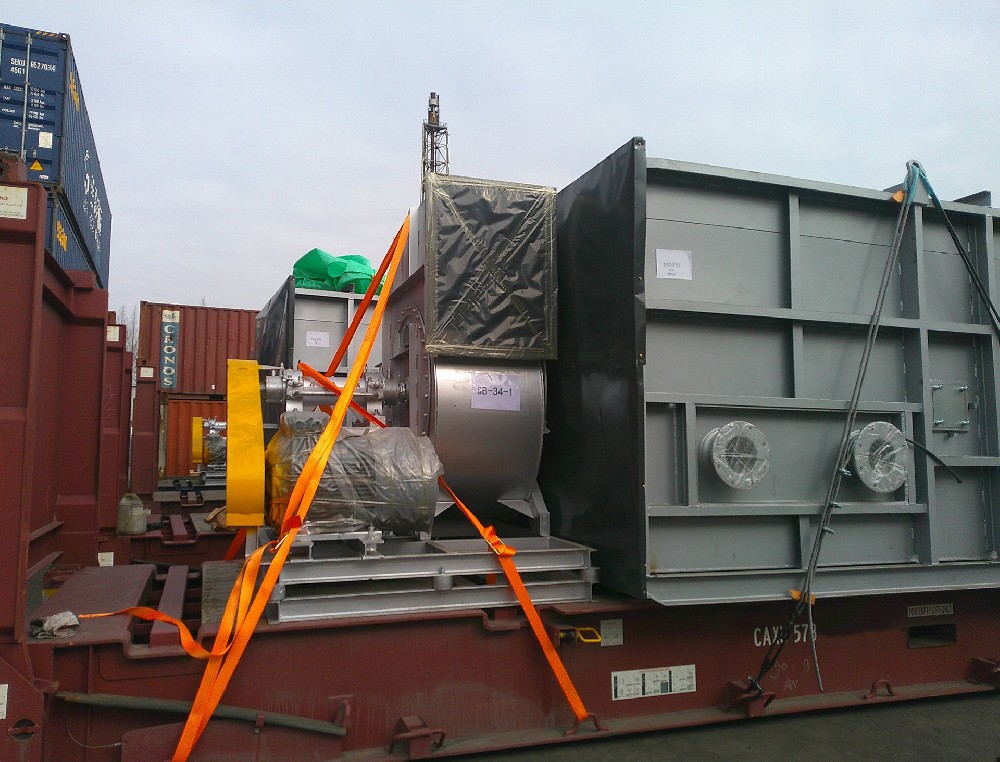
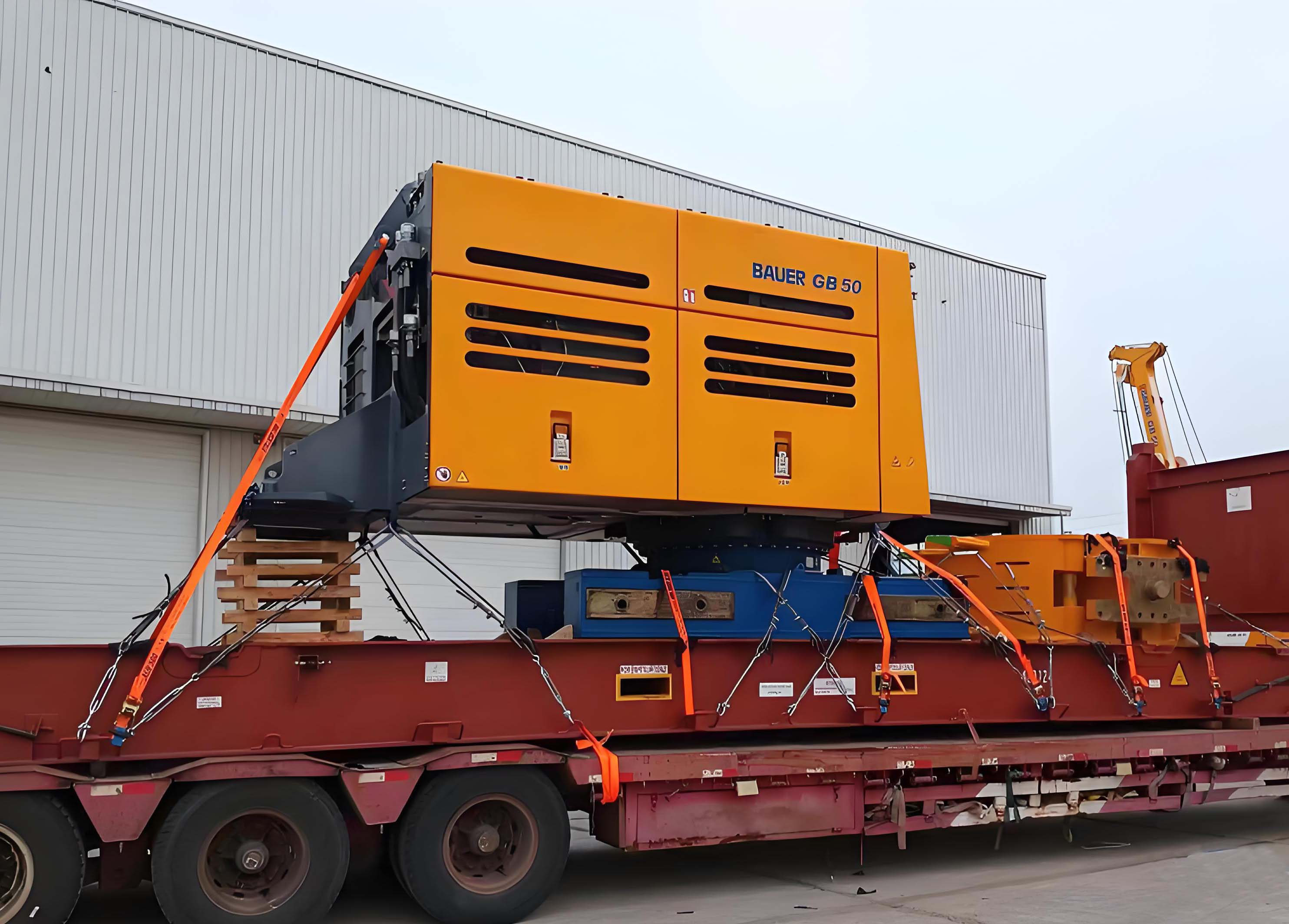
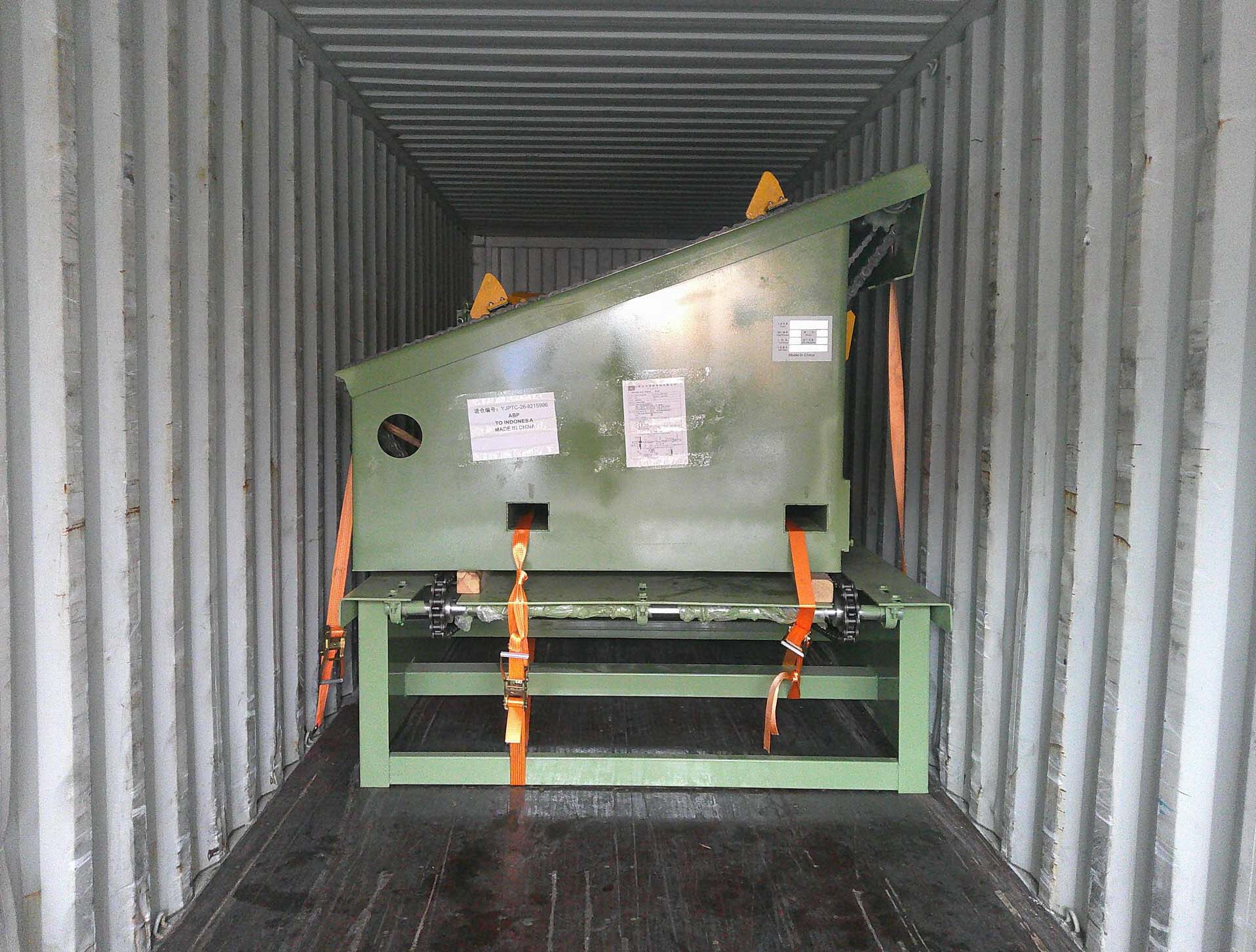
Main girder sections are stowed horizontally, with timber sleepers underneath to distribute weight, and secured with multiple lashing straps to prevent bending or deformation.
End carriages, trolleys, etc., are placed flat with rubber pads underneath, and the four corners are secured to container lashing points with steel wire ropes.
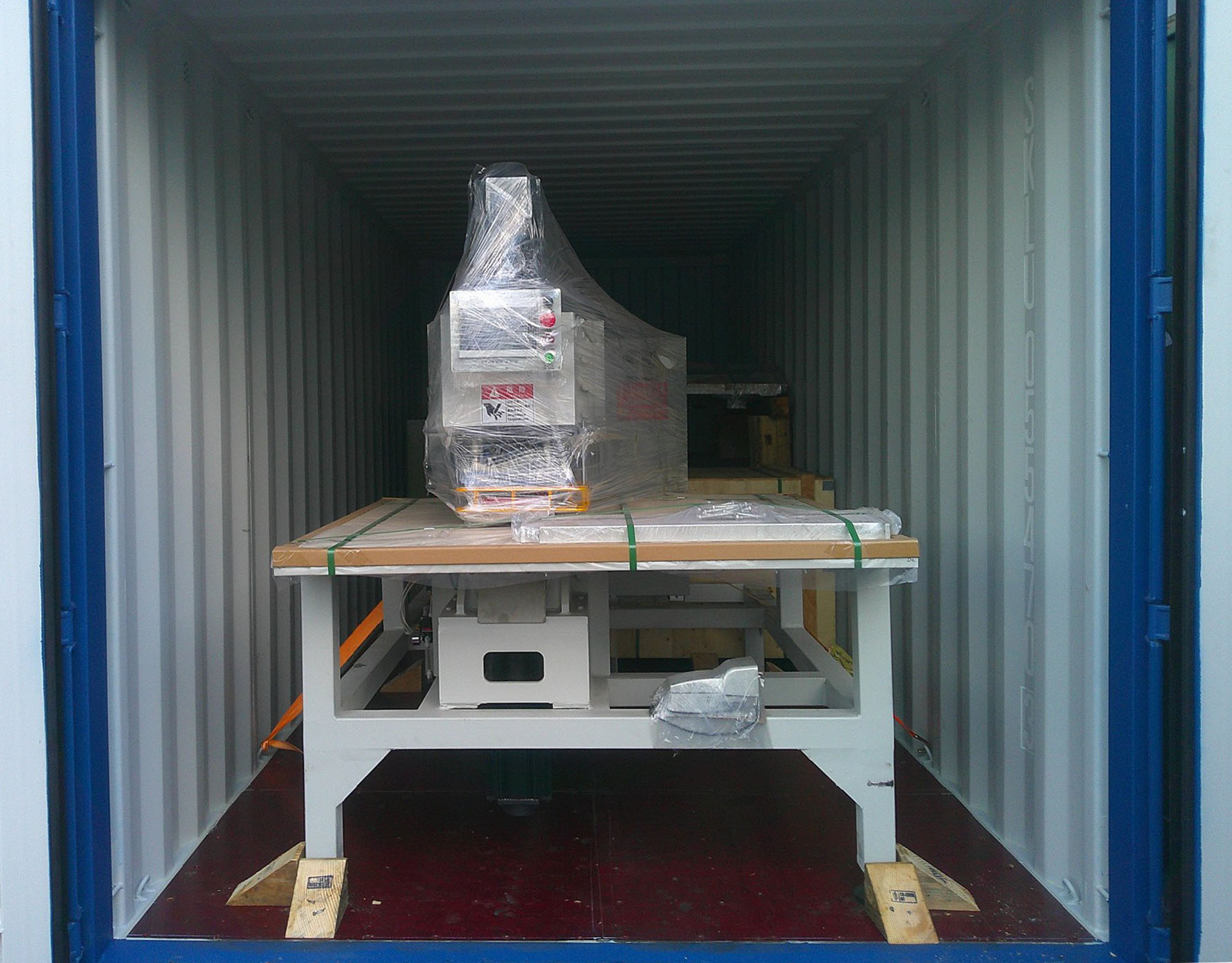
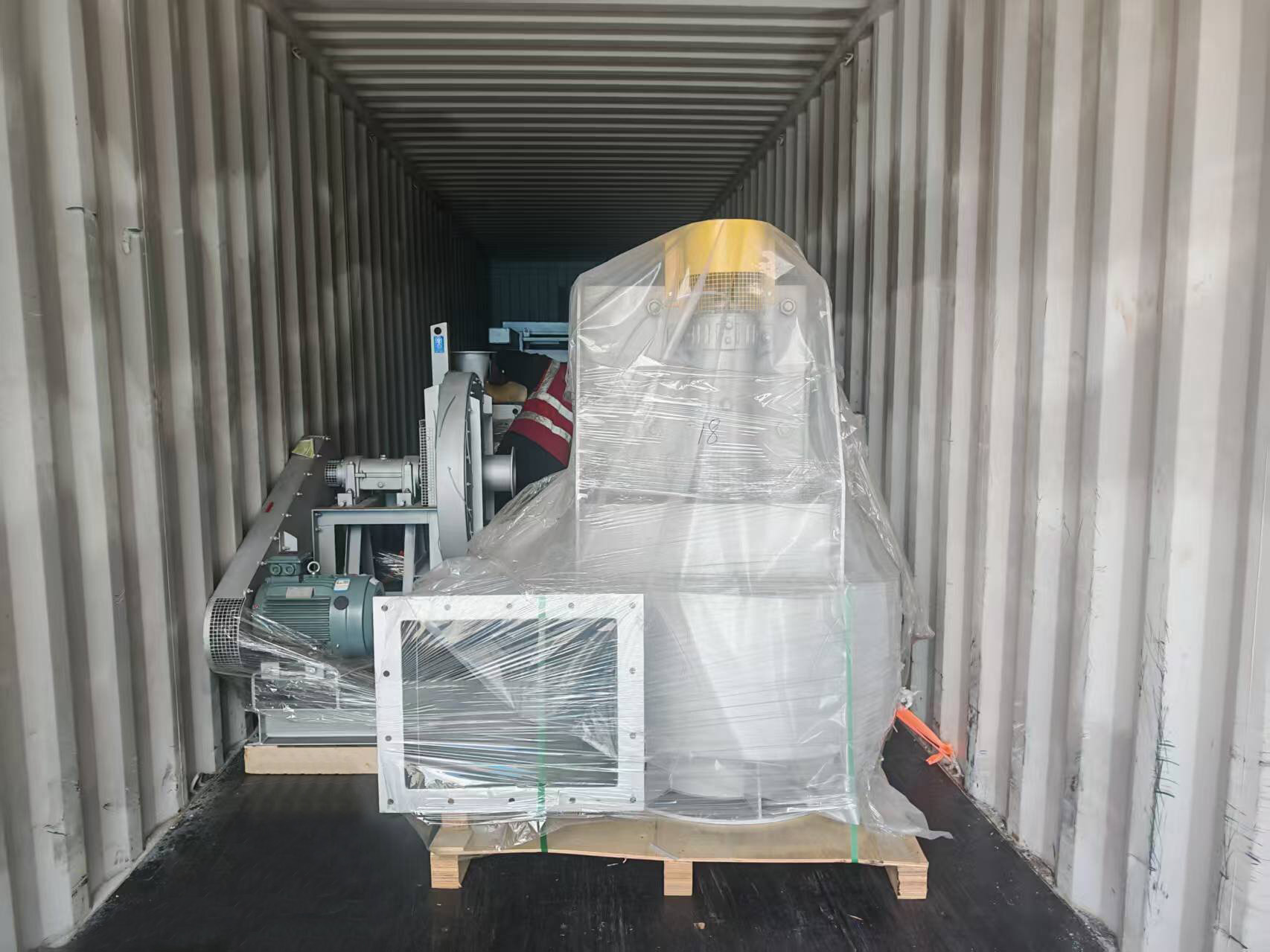
Precision components such as wheel sets and gearboxes are wrapped with stretch film and fitted with anti‑impact padding.
Electrical components such as motors and control cabinets are individually packed in wooden crates with cushioning material inside and moisture‑proof treatment applied.
Accessories such as hook assemblies and wire ropes are sorted and packed into crates, with specifications marked on the outside.
Components from the same batch are numbered and labelled, and packed in the order of installation to facilitate sorting and assembly at the destination.
After the entire container is lashed, photographs are taken for documentation, and a lashing inspection certificate is issued.
Step 4: Port Operations
We submit the operation plan to the terminal in advance, coordinate lifting and handling equipment (cranes, etc.) to ensure smooth delivery of the container to the port. Dedicated supervisors oversee the loading, re‑inspect the lashing condition, and only after confirmation arrange for vessel loading. We also cooperate with customs inspections and assist with clearance procedures.
Step 5: Ocean Freight Booking
Based on container specifications and destination port, we select the most suitable vessel type and route, prioritising shipping lines with proven experience in heavy‑lift container transport. Our main cooperating vessel types include: breakbulk / general cargo vessels, multi‑purpose vessels, heavy‑lift vessels, and Ro‑Ro vessels capable of carrying specialised containers. We cover major ports from China to Southeast Asia, the Middle East, Africa, South America, and Europe. We also provide recommendations for marine insurance solutions.
Step 6: Destination Delivery
We notify the consignee in advance of the voyage schedule and estimated time of arrival, assist with discharging and customs clearance at the destination port, and coordinate local transport resources for last‑mile delivery. Throughout the process, we provide a complete component list and tracking of all logistics milestones, keeping you updated with real‑time transport status.
联系人: Manager Li
电话: 021-31056166
邮件: sea-giant@sea-giant.com
地址: Room 1708, Pu Chuang Business Building, 1050 East Daming Road, Hongkou District, Shanghai, China