Glass‑lined reactors are high‑value, extremely delicate, heavy‑lift chemical equipment with a brittle internal lining. The inner wall is sintered with a glass‑lining layer, which offers strong corrosion resistance but extremely poor impact resistance, placing very high demands on transport.
The glass‑lining layer is extremely brittle and highly sensitive to impact and vibration. Throughout loading, transport and unloading, "soft‑contact" measures must be maintained at all times to avoid any hard objects coming into direct contact with the equipment.
The vessel body is equipped with jackets, nozzles, manways, etc., giving it an irregular shape. The sealing faces of the flange connections must be specially protected to prevent deformation.
The centre of gravity is relatively high: the jacketed body is heavy and stable, but the top‑mounted agitator drive assembly raises the overall centre of gravity, reducing transport stability.
Complex auxiliary components: agitators, gearboxes, motors, sealing assemblies, etc., are shipped together. These must be consolidated at the port, numbered individually, and accounted for to avoid missing parts.
External insulation layers or stainless steel cladding are susceptible to impact and scratching, and insulation materials are prone to moisture damage. Weather‑proof and moisture‑proof packaging is required for ocean transport.
JYC Supply Chain: Providing a Comprehensive Integrated Logistics Service System
JYC handles a full range of equipment types, including glass‑lined reactors, storage tanks, tower sections, heat exchangers, and associated agitator units. Based on reactor dimensions and weight, we customise the protection and transport solution and manage the entire process from port consolidation to shipment.
Domestic pick‑up → customised cradle + protective packaging → lifting + lashing and securing → port delivery → ocean freight booking → destination delivery
Step 1: Domestic Inland Transport
Clients may either arrange delivery to our designated port consolidation yard themselves or authorise us to provide door‑to‑door pick‑up. We operate a fleet of low‑bed or air‑ride suspension vehicles covering major glass‑lined equipment manufacturing bases nationwide. Based on equipment dimensions, we deploy the appropriate vehicle, ensuring smooth and steady travel for safe delivery to the consolidation yard.
Step 2: Customised Cradle + Protective Packaging
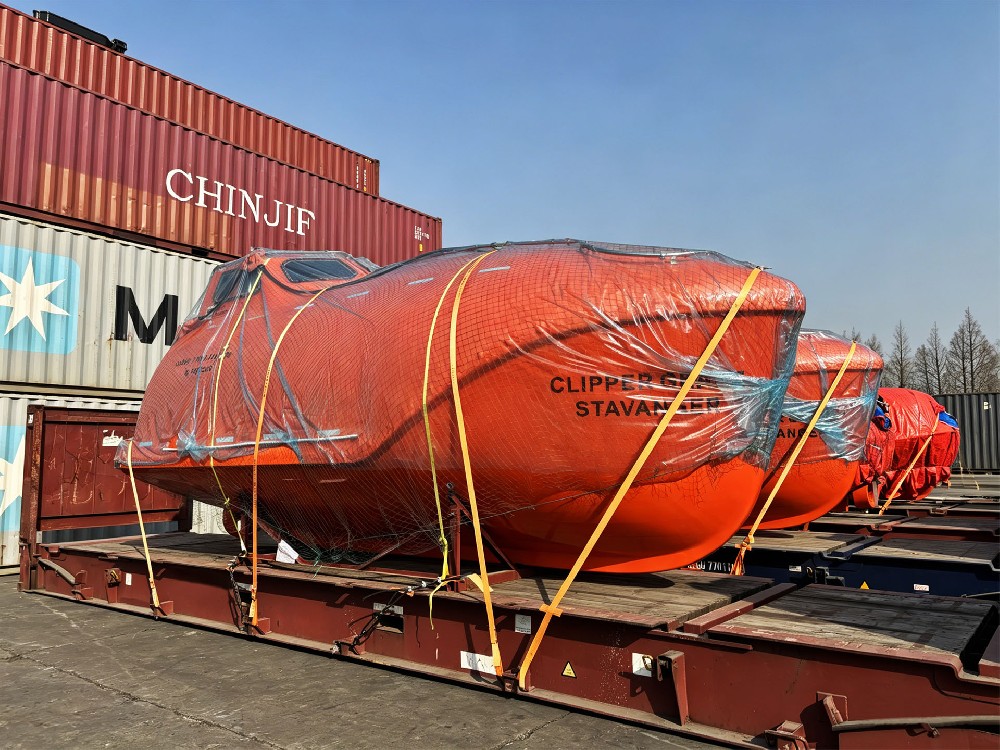
We customise steel or timber cradles according to the reactor's support legs or saddle design, with rubber pads placed between the supports and the cradle. All nozzle flanges are sealed with plastic blind flanges and additionally wrapped with foam padding. Auxiliary components such as agitators and motors are individually packed in wooden crates with cushioning material inside. The entire unit, if necessary, is wrapped with stretch film and covered with weather‑proof tarpaulins.
Step 3: Lifting and Lashing/Securing
Nylon slings or flat webbing slings must be used for lifting; steel wire ropes are strictly prohibited from direct contact with the glass‑lined surface. Lifting points must be at the designated lifting lugs or specified positions. All lashing operations must ensure soft contact throughout.
Our lashing solution:
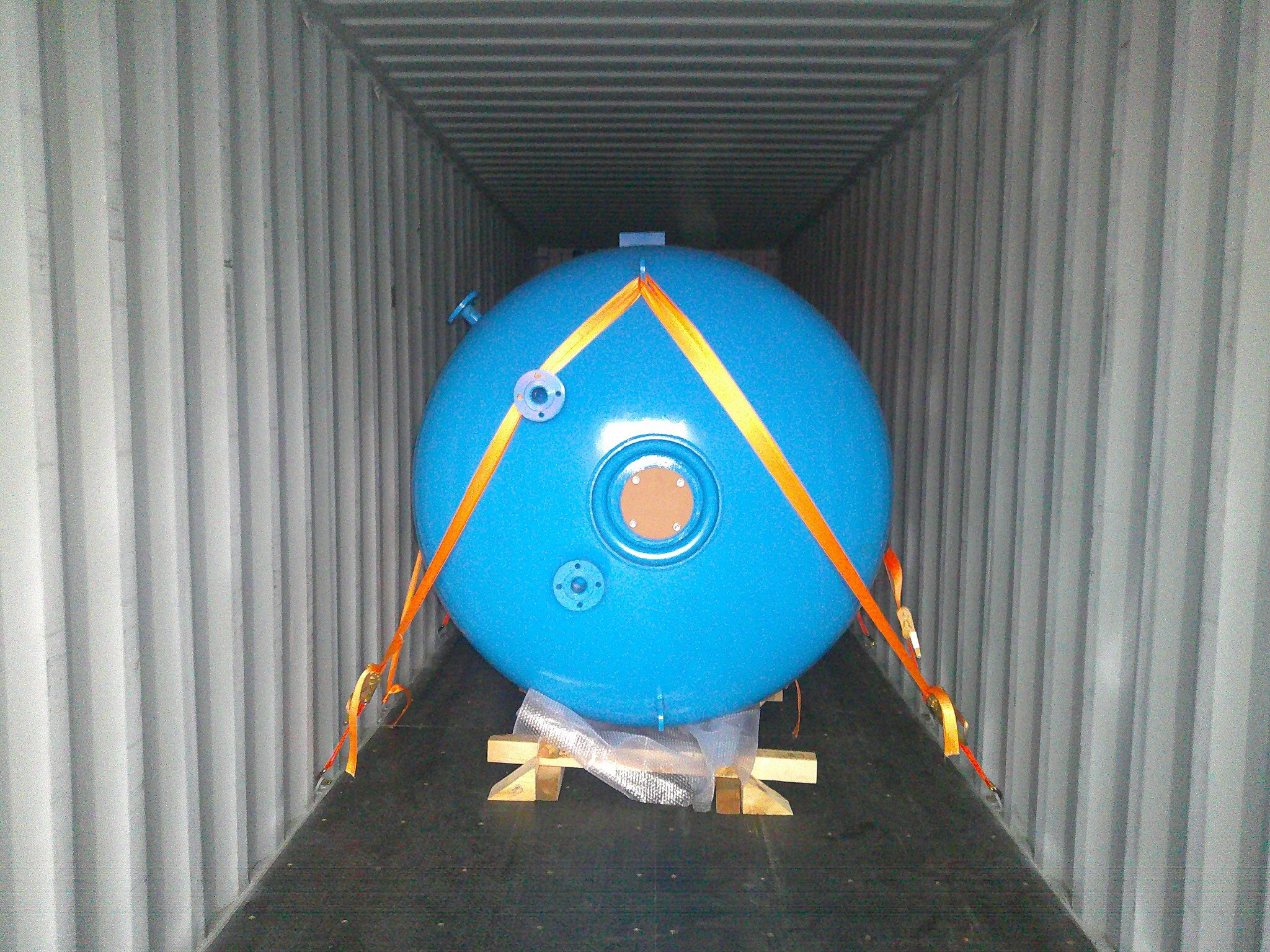
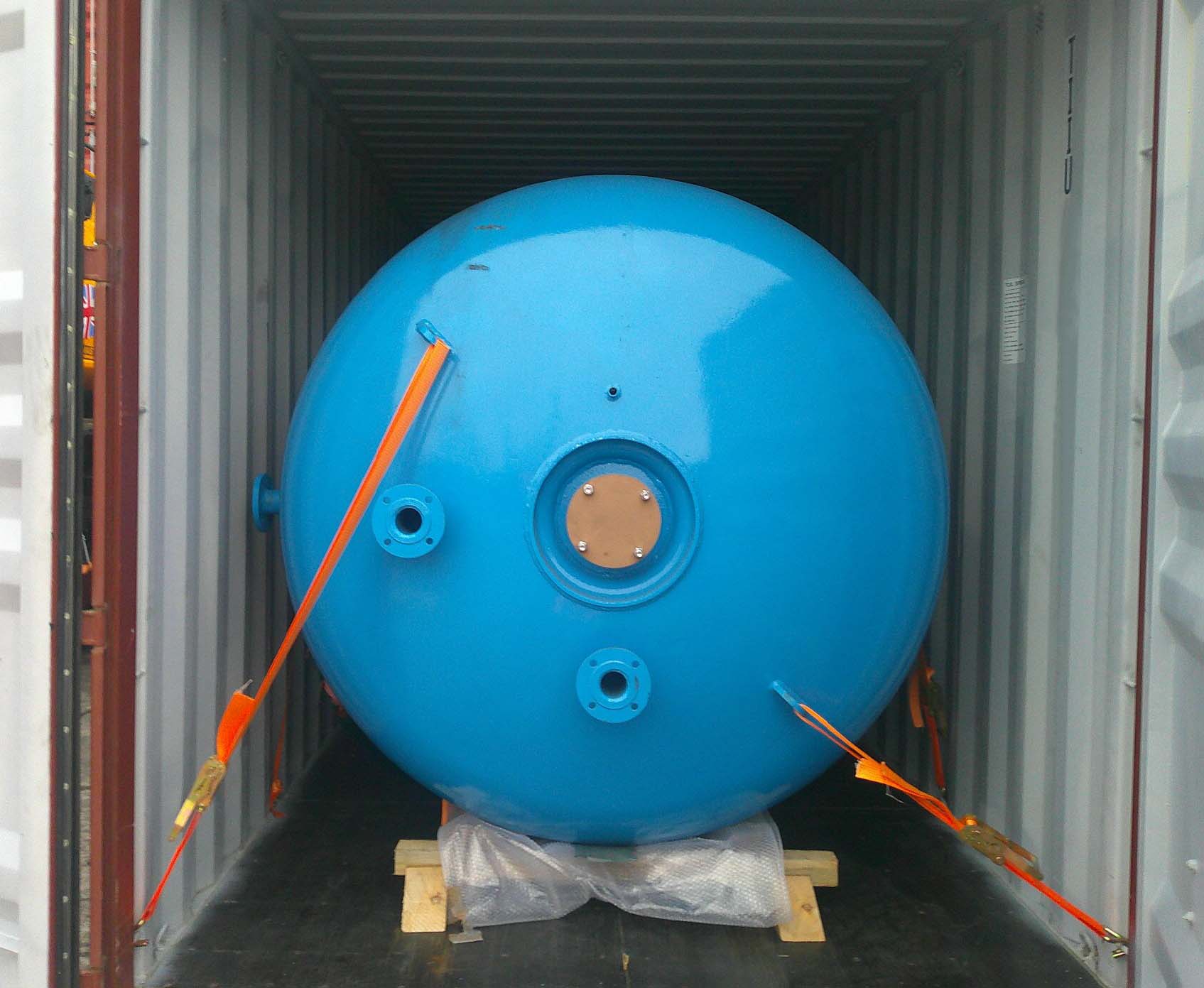
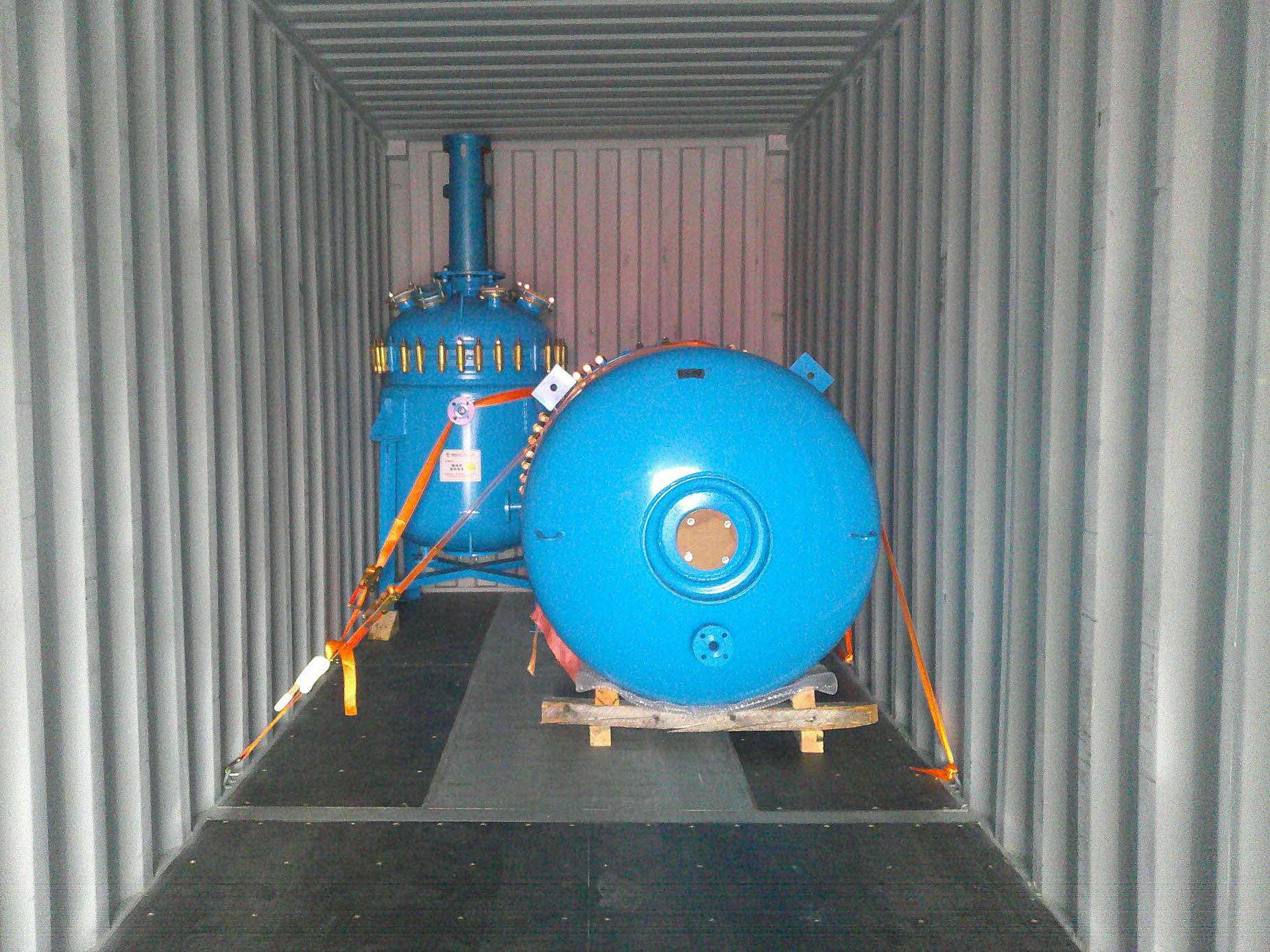
The reactor is placed vertically or horizontally on the customised cradle. For horizontal stowage, curved saddles with thick rubber padding are used under the vessel body to distribute weight evenly.
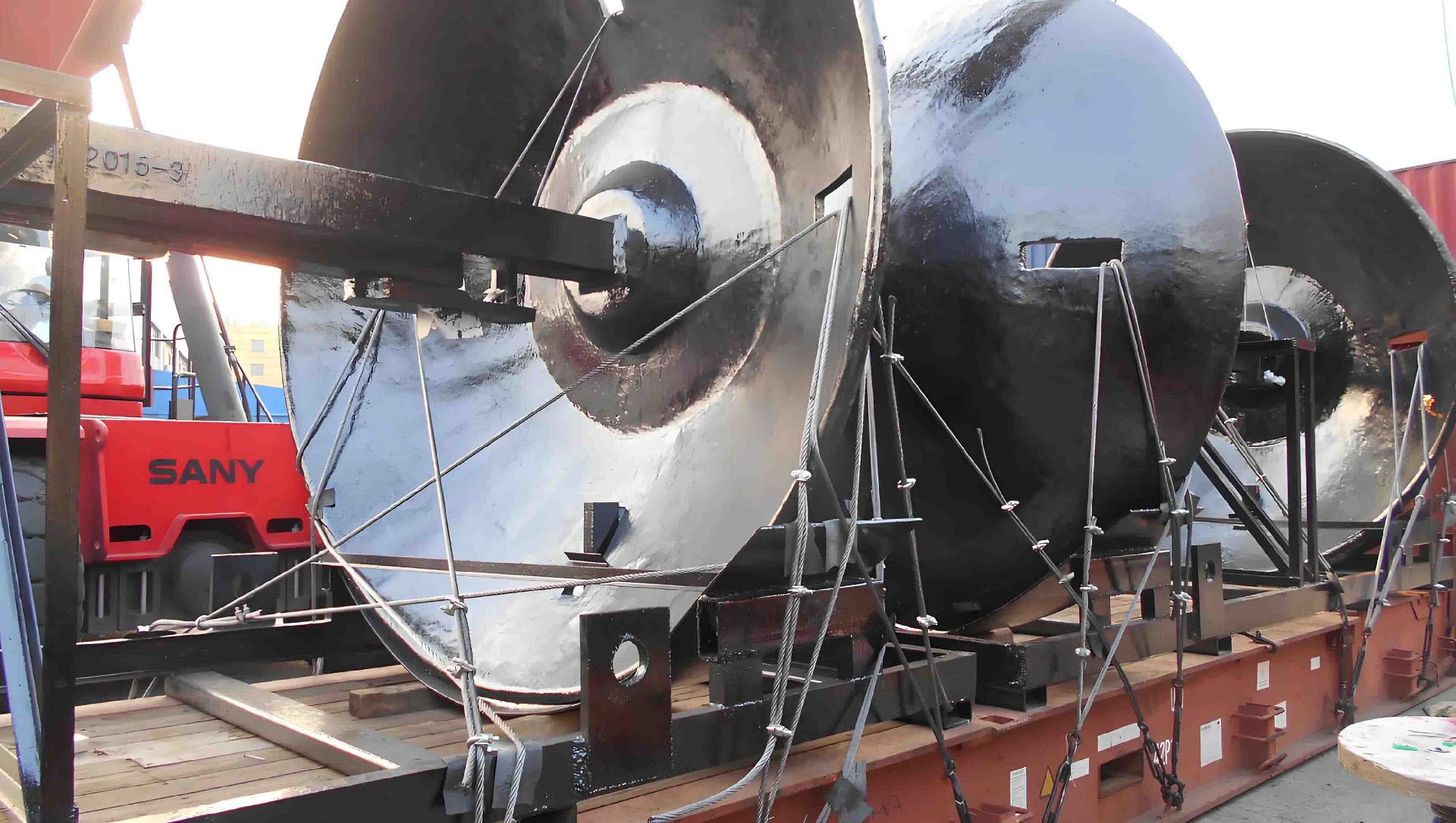
Timber sleepers are placed between the cradle and the deck, and the entire cradle is secured to deck lashing rings with steel wire ropes or ratchet straps, with tension applied moderately.
Wide nylon lashing straps are wrapped around the reactor body, with rubber pads underneath, and secured to the cradle or deck to prevent movement.
Wooden crates containing the agitator, motor, etc., are secured separately, clearly marked "This Side Up" and "Fragile," and positioned away from the main vessel to prevent impact during rolling.
When multiple units are shipped together, a safe clearance is maintained between units, with isolating pads or timber frames placed in between.
All nozzle protection measures, cradle contact points, and lashing points are photographed for documentation, and a lashing inspection certificate is issued.
Step 4: Port Operations
We submit the heavy‑lift operation plan to the terminal in advance, emphasising the fragile nature of the glass‑lined equipment, and coordinate the use of soft lifting gear. Dedicated supervisors oversee the loading, re‑inspect the protective measures and lashing condition, and only after confirmation arrange for vessel loading. We also cooperate with customs inspections and assist with clearance procedures.
Step 5: Ocean Freight Booking
Based on reactor dimensions, weight, and destination port, we select the most suitable vessel type and route, prioritising shipping lines with proven experience in delicate equipment transport. Our main cooperating vessel types include: breakbulk / general cargo vessels, multi‑purpose vessels, and heavy‑lift vessels – stowage in the hold is recommended to avoid exposure to deck spray. We cover major ports from China to Southeast Asia, the Middle East, Africa, South America, and Europe. We also provide recommendations for marine insurance solutions, and can arrange All Risks insurance on behalf of clients upon request.
Step 6: Destination Delivery
We notify the consignee in advance of the voyage schedule and estimated time of arrival, assist with discharging and customs clearance at the destination port, and coordinate local transport resources for last‑mile delivery, with clear instructions that soft lifting gear must continue to be used during unloading. Throughout the process, we provide full tracking of all logistics milestones and keep you updated with real‑time transport status and cargo condition.
Contact: Manager Li
Phone: 021-31056166
Email: sea-giant@sea-giant.com
Add: Room 1708, Pu Chuang Business Building, 1050 East Daming Road, Hongkou District, Shanghai, China
We chat