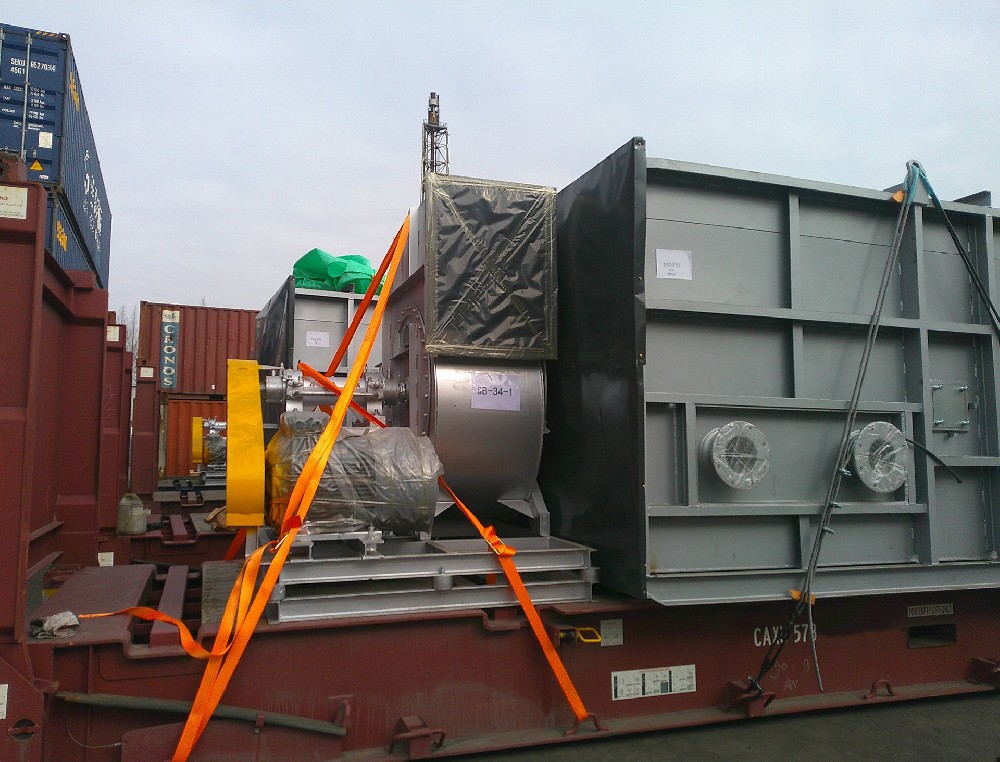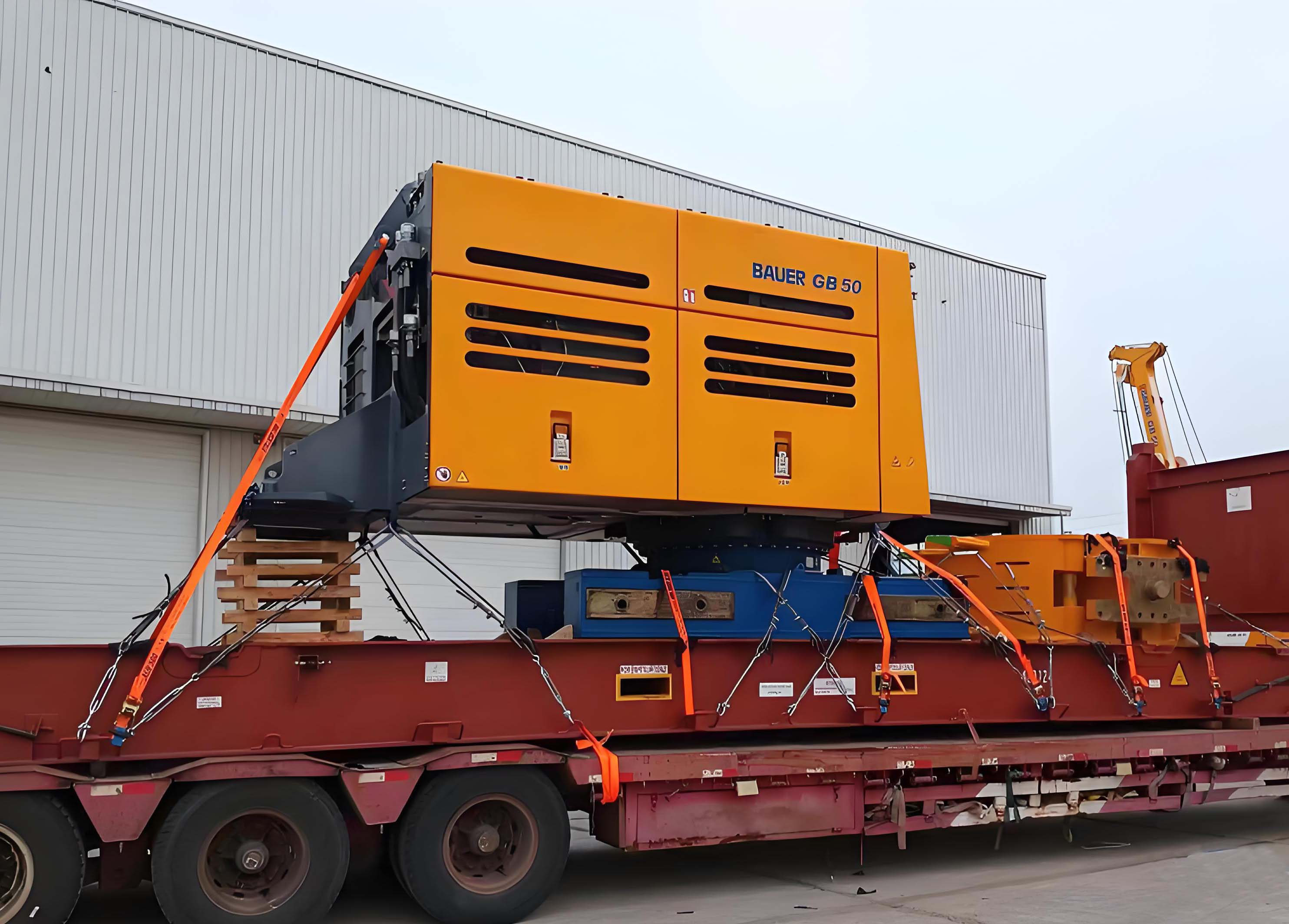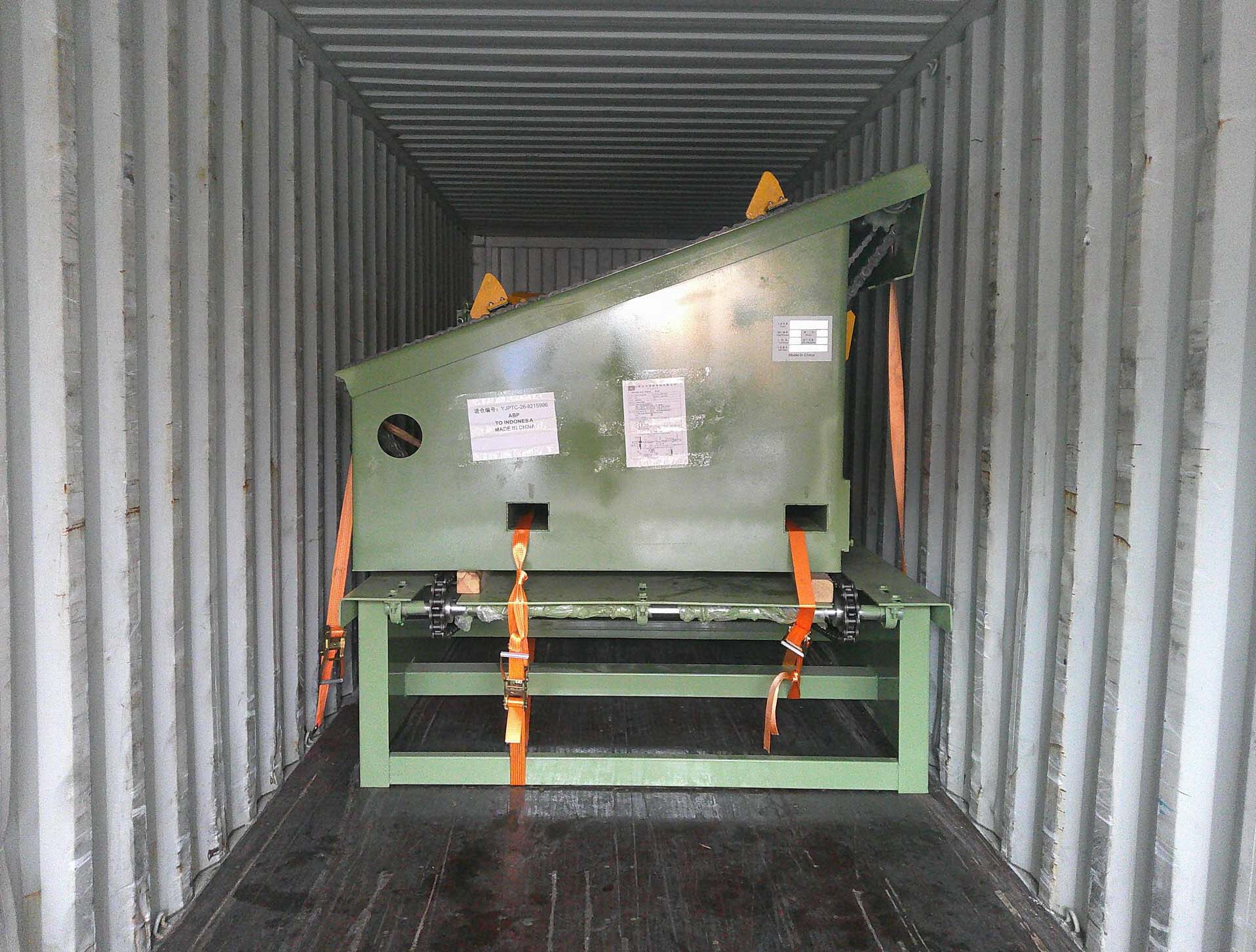
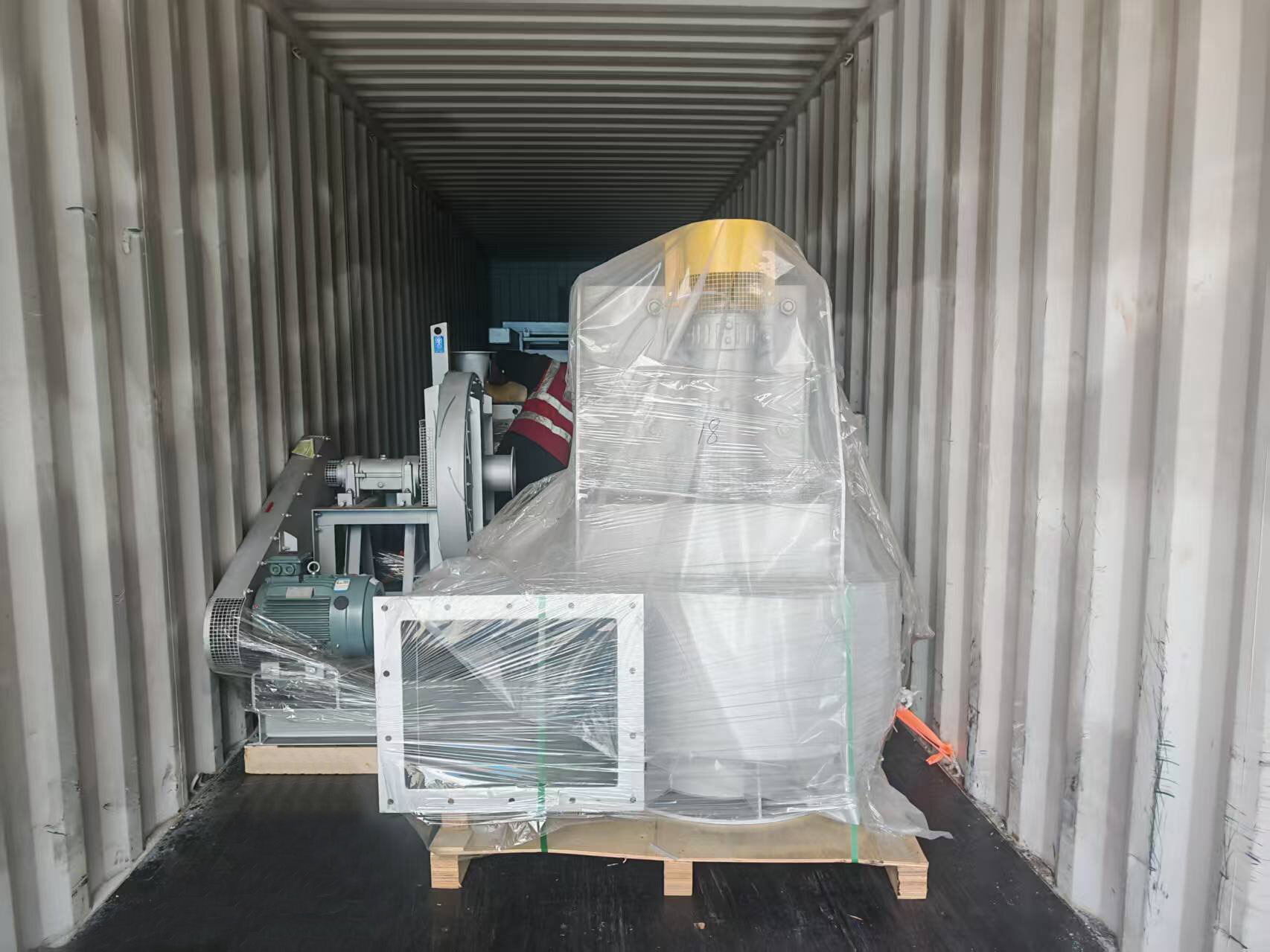
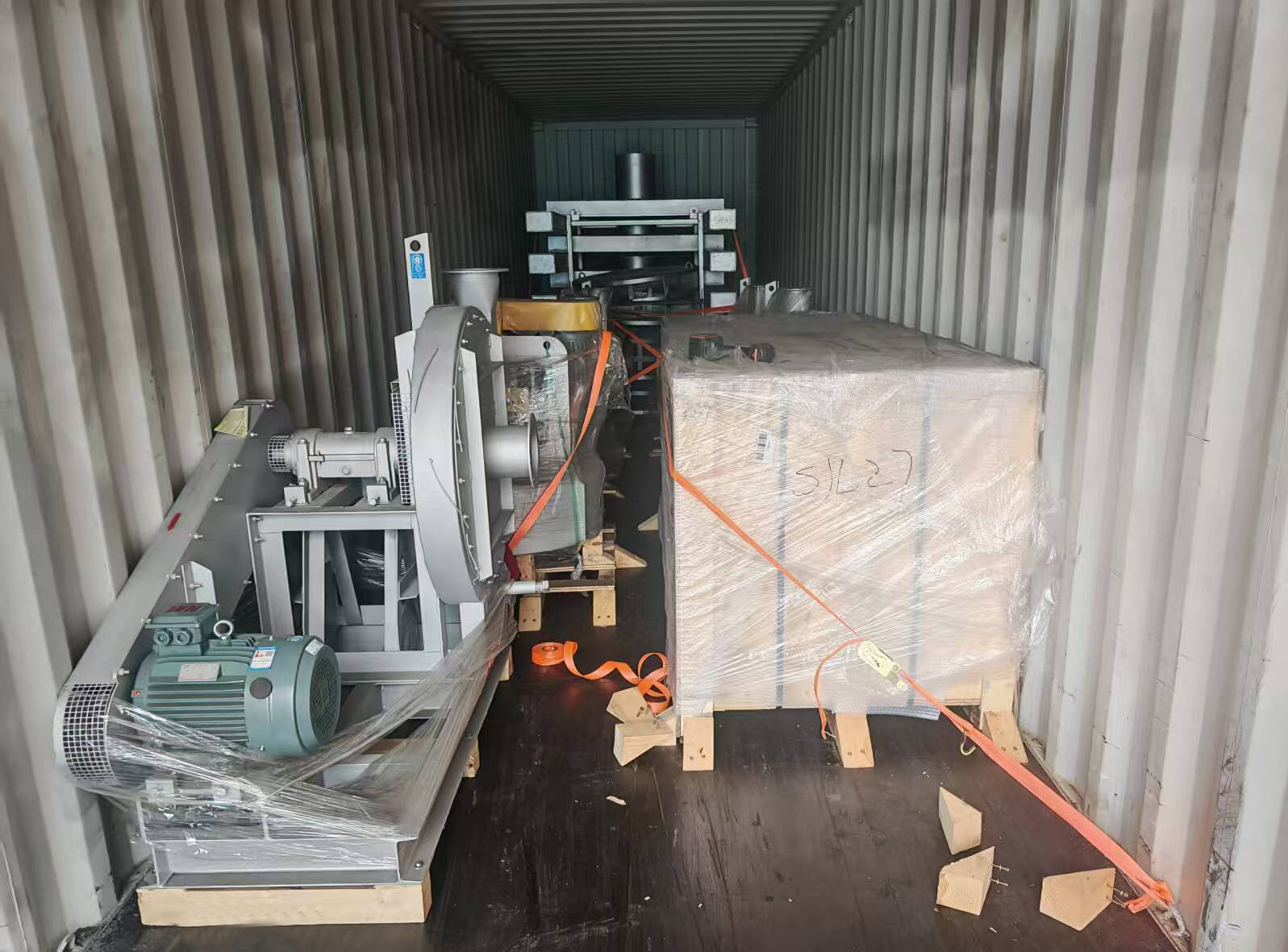
Industrial centrifugal fans fall into the category of large rotating machinery, consisting of impellers, casings, main shafts, bearing housings, motors, and transmission components. They are compact in structure with precision parts. During transport, deformation prevention and impeller damage prevention are key priorities.
The impeller is a high‑speed rotating precision component with high dynamic balancing accuracy requirements. Impact or deformation of blades and the hub will directly affect operational performance and equipment life.
The casing is mostly a thin‑walled welded structure with an irregular shape; the volute‑shaped shell is prone to deformation if improperly stressed. The inlet and outlet flange faces require special protection.
The main shaft and bearing housings have high machining precision; the shaft journal surface has extremely high finish. Scratches or rust can cause bearing assembly failure.
The motor and transmission components are sensitive to vibration and moisture. Couplings, pulleys, and other accessories must be individually protected to prevent scattering or damage during transit.
When multiple units are shipped together in large batches, they must be packed by model and classified, with components numbered and labelled to avoid confusion.
JYC Supply Chain: Providing a Comprehensive Integrated Logistics Service System
JYC handles a full range of product types, including centrifugal fans, boiler induced draft fans, explosion‑proof fans, stainless steel fans, and other industrial ventilation equipment. Based on piece weight and dimensions, we match the appropriate container specifications and manage the entire process from containerisation to shipment.
Domestic pick‑up → container selection + loading operations → lashing and securing → port delivery → ocean freight booking → destination delivery
Step 1: Domestic Inland Transport
Clients may either arrange delivery to our designated loading yard themselves or authorise us to provide door‑to‑door pick‑up. We operate a fleet of low‑bed trailers covering major fan manufacturing bases nationwide. Based on piece weight and external dimensions, we deploy the appropriate vehicle to ensure safe delivery to the loading site.
Step 2: Container Selection + Loading Operations
Based on fan dimensions and weight, we select the appropriate container specifications to ensure smooth loading without exceeding payload capacity or dimensional limits. A professional lifting team carries out the loading operation with full‑process monitoring to avoid impact on the impeller and casing.
Step 3: Lashing and Securing
All operations comply with shipping line requirements and industry standards.
Our lashing solution:
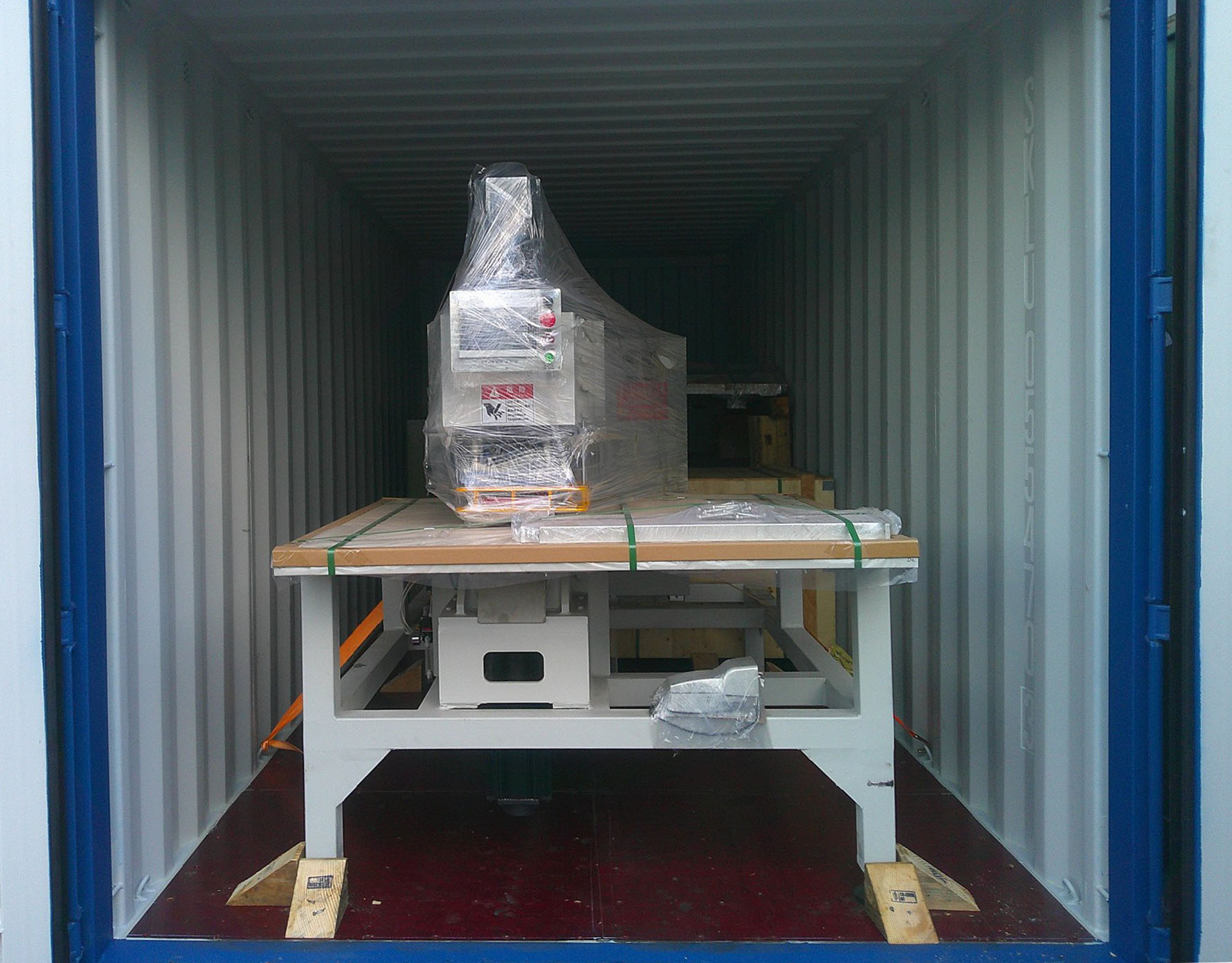
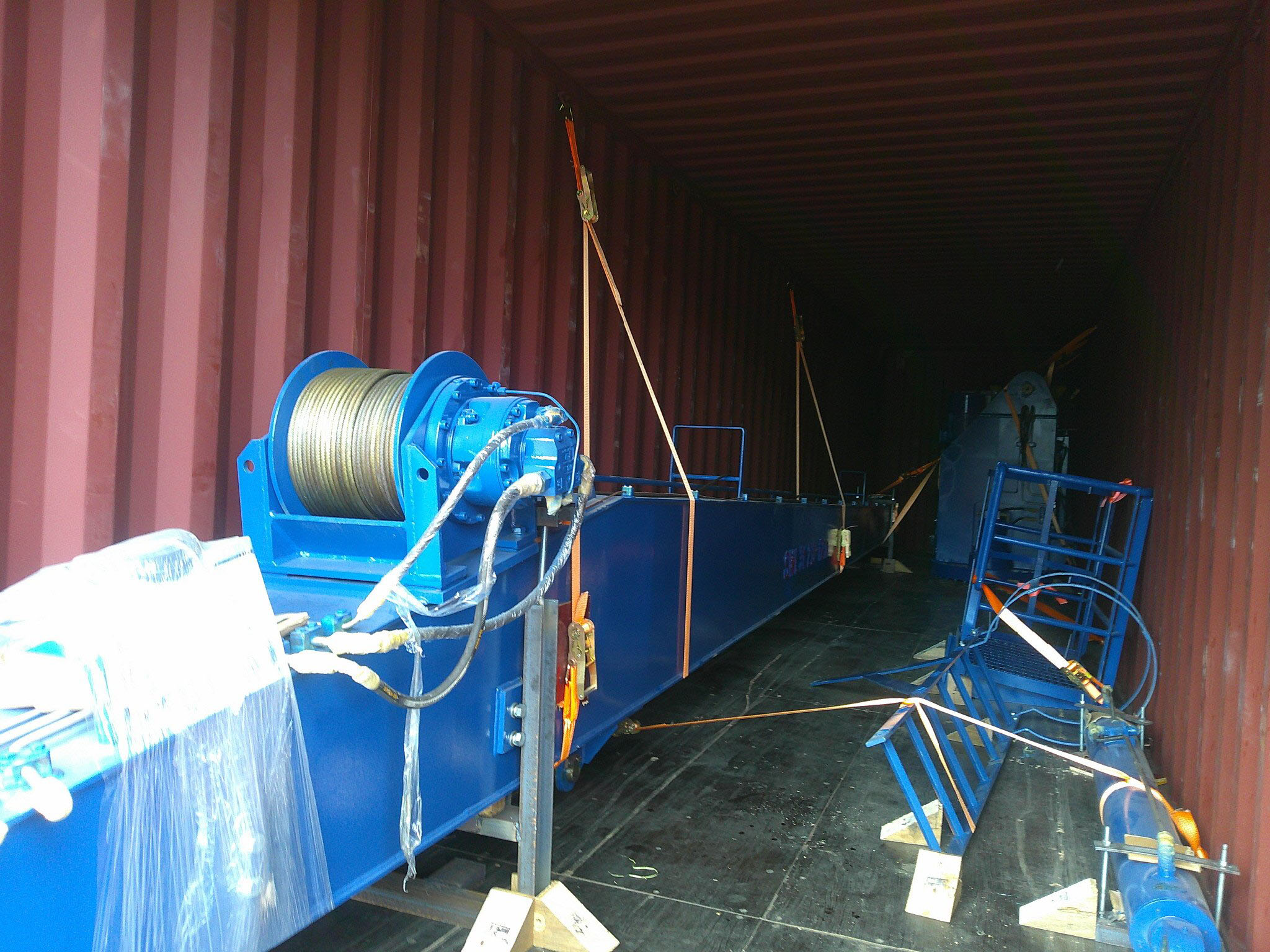
Timber sleepers or rubber pads are placed under the fan to protect the bottom coating and increase friction.
The inlet and outlet flanges of the casing are sealed with plastic blind flanges and additionally wrapped with foam padding.
The impeller is supported and secured with timber blocks or dedicated brackets to prevent rotation or movement inside the container.
The four corners of the casing are secured to container lashing points with lashing straps or steel wire ropes, with symmetrical tension applied.
Exposed parts of the main shaft are wrapped with stretch film, and the bearing housing is fitted with anti‑impact padding.
The motor is individually packed in a wooden crate with cushioning material inside. Accessories such as couplings and pulleys are inventoried, sorted, and packed into crates.
After the entire container is lashed, photographs are taken for documentation, and a lashing inspection certificate is issued.
Step 4: Port Operations
We submit the operation plan to the terminal in advance, coordinate lifting and handling equipment (cranes, etc.) to ensure smooth delivery of the container to the port. Dedicated supervisors oversee the loading, re‑inspect the lashing condition, and only after confirmation arrange for vessel loading. We also cooperate with customs inspections and assist with clearance procedures.
Step 5: Ocean Freight Booking
Based on container specifications and destination port, we select the most suitable vessel type and route, prioritising shipping lines with proven experience in heavy‑lift container transport. Our main cooperating vessel types include: breakbulk / general cargo vessels, multi‑purpose vessels, heavy‑lift vessels, and Ro‑Ro vessels capable of carrying specialised containers. We cover major ports from China to Southeast Asia, the Middle East, Africa, South America, and Europe. We also provide recommendations for marine insurance solutions.
Step 6: Destination Delivery
We notify the consignee in advance of the voyage schedule and estimated time of arrival, assist with discharging and customs clearance at the destination port, and coordinate local transport resources for last‑mile delivery. Throughout the process, we provide full tracking of all logistics milestones and keep you updated with real‑time transport status.
联系人: Manager Li
电话: 021-31056166
邮件: sea-giant@sea-giant.com
地址: Room 1708, Pu Chuang Business Building, 1050 East Daming Road, Hongkou District, Shanghai, China